Zoho Launches Nathu La to Champion Digital Sovereignty and Local Innovation
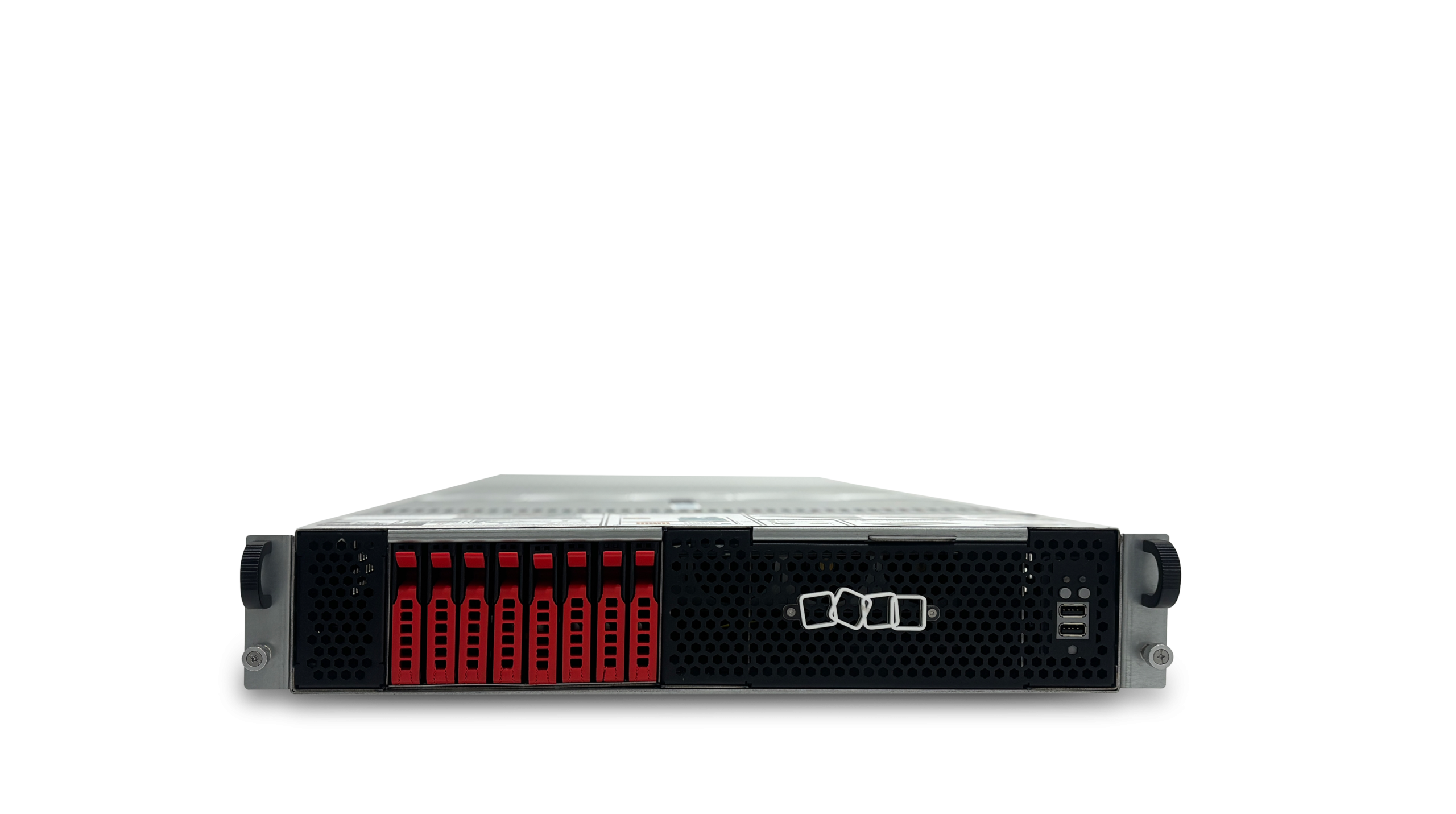
Nathu La is built with hardware-rooted security embedded at every level of the stack. Its indigenous, IP-driven architecture minimises reliance on external parties for security audits, firmware updates, and licensing continuity, ensuring greater control and resilience.
The platform’s design aligns closely with open-source software principles, exemplifying Zoho’s broader commitment to developing sustainable, secure, and scalable digital infrastructure. This approach underscores the company’s dedication to fostering innovation within a robust and adaptable framework.
Furthermore, Nathu La supports the global shift towards digital sovereignty, emphasising the importance of localised innovation ecosystems and high-performance computing capabilities. It embodies a forward-looking vision for resilient and decentralised digital solutions.
Building the Full Technology Stack
The design philosophy behind Nathu La is rooted in the Open Compute Project (OCP), emphasising modularity, thermal efficiency, and ease of maintenance. This enables Zoho’s data centres to significantly reduce total cost of ownership and power consumption.
Zoho plans to host its applications on the Nathu La server platform, enabling the company to optimise the full software-hardware stack for its specific workloads, reduce costs, improve performance, and strengthen data governance for its global customers. This will also help bring down inference costs for Zoho’s AI usage.
Developed Hardware Engineering Talent
In 2020, Zoho established a small R&D team in Nagpur, a Tier 2 town in India, focused on projects such as server design and systems engineering. Members of the Nathu La R&D team include hires from SETU – short for Student’s Engagement for Transformative Upskilling – an initiative designed to build a pipeline of industry-ready engineers, with a focus on advanced learning in Electronics System Design and Manufacturing (ESDM).
The initiative directly addresses the growing need for stronger foundational engineering skills in an era increasingly influenced by AI-assisted development. By prioritising hands-on innovation and first-principles problem-solving, SETU helps cultivate deeper research capabilities, creativity, and applied engineering expertise. To date, over 300 students have been trained through the programme, some of whom have joined Zoho.
What’s Inside
The Nathu La server motherboard and chassis platform is the result of five years of R&D across hardware, firmware, and systems management. Based on Intel® Xeon® 6 Processors, the server is designed to optimise performance for virtualisation (VM), High Performance Computing (HPC), AI inference, and storage applications. This results in improved performance of Zoho applications for end users.
The server features customised power delivery subsystems, an in-house DC-SCM (Data Centre Secure Control Module) design, and modular chassis options compatible with diverse end-user environments, offering flexibility across deployment types.
All modular components – including the DC-SCM and NIC (Network Interface Card) – were designed in-house by Zoho’s hardware engineering team and assembled through electronics manufacturing partners, enabling tighter integration and quality control across the platform. Over five patents have been filed covering advanced thermal management and cost-optimised server architecture designs.
Moving Towards Technological Sovereignty
Nathu La is engineered with hardware-rooted security at every layer of the stack. The platform’s indigenous IP-driven approach reduces dependency on external entities for security audits, firmware updates, and licensing continuity.
The solution aligns with open-source software principles and reflects Zoho’s broader commitment to building sustainable, secure, and scalable digital infrastructure. It also supports the growing global focus on digital sovereignty, local innovation ecosystems, and high-performance computing capabilities.