N5 Trillion Lost Yearly: How Nigeria’s Failing Logistics System is Undermining Food Security and Economic Growth
By Daphne Uduneje
Nigeria’s struggling logistics system is exacting a heavy toll on the nation’s economy, with experts estimating that as much as N5 trillion is lost annually due to the inefficient movement of goods, particularly agricultural produce.
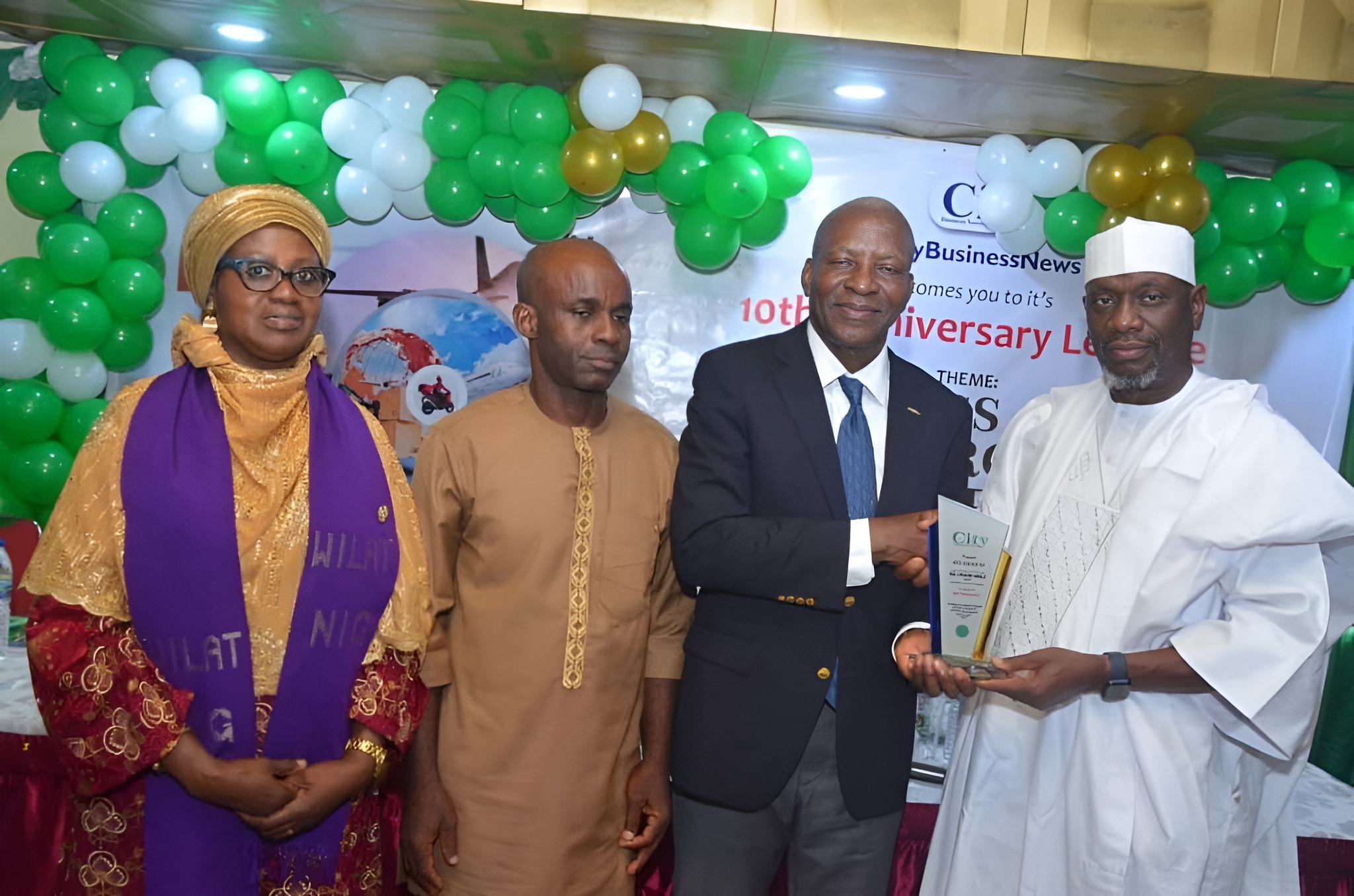
Industry stakeholders, policymakers and transport experts raised the alarm in Lagos on Thursday during the 10th Anniversary Lecture of City Business News, where they painted a grim picture of a logistics sector weighed down by poor infrastructure, policy inconsistencies, extortion on highways and rising operational costs.
The anniversary lecture, themed “Logistics as the Engine Room of Nigeria’s Economy,” brought together key players in the transport and logistics ecosystem, all united by a common concern: Nigeria’s logistics challenges are increasingly threatening food security, driving inflation and constraining economic growth.
For a country blessed with vast agricultural potential, the scale of losses is staggering.
President of the Chartered Institute of Logistics and Transport (CILT) and former Corps Marshal of the Federal Road Safety Corps (FRSC), Dr. Boboye Oyeyemi, disclosed that between 30 million and 40 million metric tonnes of food perish annually before reaching consumers.
According to him, post-harvest losses linked to inefficient logistics are valued at between $2.3 billion and $3.3 billion every year, equivalent to approximately N3.5 trillion to N5 trillion in economic losses.
“The Middle Belt is the food basket of the nation. To move goods from the Middle Belt to Lagos, about 40 per cent of them rot away,” Oyeyemi lamented.
He noted that despite its strategic role in facilitating trade and economic activities, the logistics sector currently contributes only 3.73 per cent to Nigeria’s Gross Domestic Product (GDP), largely because of longstanding structural deficiencies.
At the heart of the crisis, stakeholders said, is the country’s weak transport infrastructure.
Bad roads, inadequate rail connectivity, insufficient storage facilities and the absence of efficient intermodal transport systems continue to hamper the seamless movement of goods across the country.
For farmers and transport operators, the consequences are severe.
Agricultural produce often spends days on dilapidated roads before reaching urban markets, resulting in significant spoilage and reduced incomes for farmers. Consumers, in turn, bear the burden through rising food prices.
Adding to the problem are escalating fuel costs and widespread extortion on Nigerian highways.
Oyeyemi revealed that transport operators spend between N150,000 and N250,000 per trip on illegal payments at multiple checkpoints, costs that are ultimately transferred to consumers through higher prices of goods and services.
Stakeholders argued that unless these bottlenecks are urgently addressed, Nigeria’s efforts to curb food inflation and improve supply chain efficiency may remain elusive.
As part of the proposed solutions, Oyeyemi called on the Federal Government to dismantle illegal checkpoints, subsidise Compressed Natural Gas (CNG) to lower transportation costs and encourage the adoption of dual-fuel vehicles capable of running on both petrol and gas.
He also advocated the appointment of a Coordinating Minister for Transportation to harmonise policies across the various transport subsectors and drive greater synergy within the industry.
Another critical recommendation was the restoration of weighbridges on major highways to curb overloading by haulage operators—a practice blamed for the rapid deterioration of road infrastructure nationwide.
Founder of ABC Transport Plc, Sir Frank Nneji, expressed concern over what he described as years of neglect of the road transport sector.
He argued that while significant investments and regulatory attention have been directed toward aviation, millions of Nigerians who depend on road transport daily continue to contend with unsafe roads and mounti