


NADDC Highlights Strategic Role of Motoring Media in Building Nigeria Automobile Industry
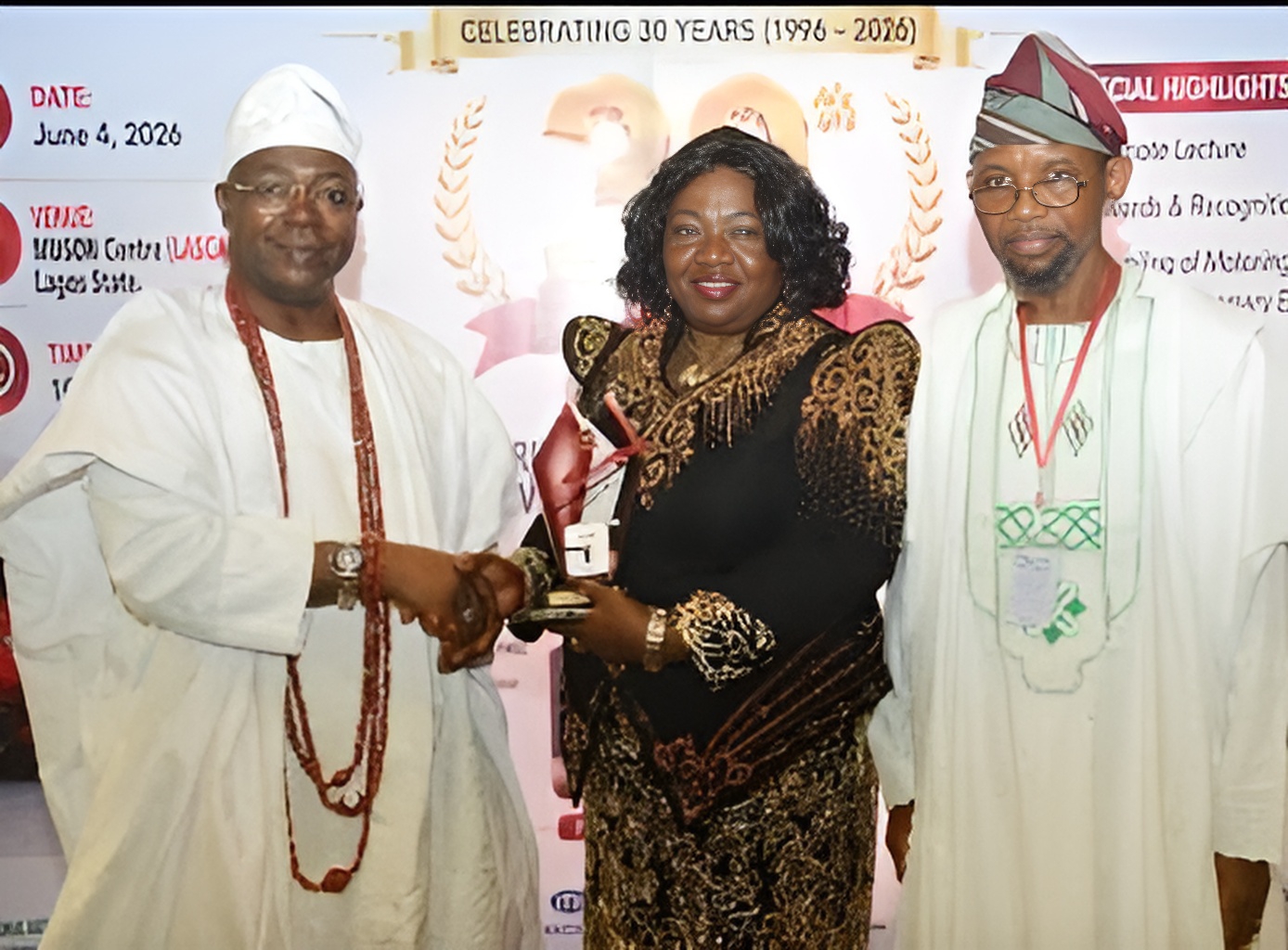
By Daphne Uduneje
As Nigeria strives to build a globally competitive automotive industry, stakeholders are increasingly recognising that the road to industrial transformation extends beyond government policies and private sector investments. It also depends on a strong, informed and specialised motoring media capable of shaping public perception, driving policy conversations and inspiring confidence among investors and consumers.
This was the central message from the National Automotive Design and Development Council (NADDC) at the 30th anniversary celebration of Motoring World magazine in Lagos, where the Council reaffirmed the strategic role of automotive journalism in advancing Nigeria’s industrialisation agenda.
The event also served as a platform to honour NADDC with the Motoring World Resilience in National Automotive Development Award, in recognition of its sustained commitment to local vehicle manufacturing, skills development, automotive innovation and industrial growth despite economic headwinds and evolving policy landscapes.
Receiving the award on behalf of the Director-General of NADDC, Otunba Oluwemimo Joseph Osanipin, the Director of General Services, Mrs. Susan Bisong-Taiwo, reaffirmed the Council’s determination to position Nigeria as a leading automotive manufacturing and innovation hub in Africa.
In a keynote address titled “Motoring Media as a Catalyst for Automotive Industry Growth in Nigeria,” delivered on behalf of the Director-General, Osanipin described specialised motoring media as an indispensable partner in the country’s quest for automotive industrialisation.
According to him, the media has consistently served as the vital link connecting government, manufacturers, investors and consumers by educating the public, shaping perceptions and stimulating conversations that influence policy and investment decisions.
«”The media is the bridge between government, industry and the public. It informs. It educates. It influences perception. And importantly, it drives national conversations,” he stated.»
He explained that across the world, specialised automotive media has played a significant role in promoting locally manufactured vehicles, educating consumers, encouraging investments and strengthening confidence in national automotive industries.
Osanipin observed that the global automotive landscape is experiencing one of its most profound transformations, driven by electric vehicles, alternative fuels, smart manufacturing systems and environmentally sustainable transportation technologies. Nigeria, he stressed, cannot afford to remain on the sidelines of this global transition.
To position the country for future competitiveness, he said NADDC is implementing several strategic initiatives aimed at transforming Nigeria from a predominantly vehicle-importing nation into a recognised centre for automotive manufacturing and innovation.
These initiatives include the promotion of electric vehicles, compressed natural gas (CNG) conversion programmes, local component manufacturing, skills development, local content promotion and strategic partnerships across the automotive value chain.
While acknowledging government’s role in creating enabling policies, Osanipin maintained that policy implementation alone cannot deliver sustainable industrial growth without effective communication and public engagement.
He challenged specialised motoring journalists to simplify complex automotive policies for ordinary Nigerians, educate consumers about cleaner mobility solutions and emerging vehicle technologies, encourage patronage of locally assembled vehicles and sustain constructive dialogue among policymakers, investors, manufacturers and consumers.
He further warned that public perception by remains one of the strongest drivers of industrial development.
According to him, when conversations about an industry are dominated solely by economic difficulties and policy uncertainties, investor confidence weakens. Conversely.