


Beyond the Feast: How GTCO Food & Drink Festival – Holiday Edition Powers Enterprise and SME Growth
By Azeez Disu
Nigeria’s Small and Medium Enterprises (SMEs) are the undisputed engine of the national economy, collectively contributing approximately 48 to 50% of the Gross Domestic Product (GDP) and employing between 60 and 70% of the population. A significant subset of this economic activity revolves around the burgeoning Food & Drink sector. Yet, these businesses often grapple with substantial challenges, chief among them limited access to finance and reliable market entry.
In response to this vital need for enterprise support, the inaugural Holiday Edition of the GTCO Food & Drink Festival, held in Lagos, has emerged as a vibrant private-sector initiative designed to directly address these hurdles, unlocking new revenue streams and fostering visibility for thousands of food-based entrepreneurs.
The Zero-Cost Catalyst for Growth
The cornerstone of the festival’s success in powering the food economy is its strategic commitment to maintaining a free vendor participation model. This zero-cost approach effectively removes the primary financial barrier that often prevents small businesses from accessing high-traffic, high-visibility market platforms.
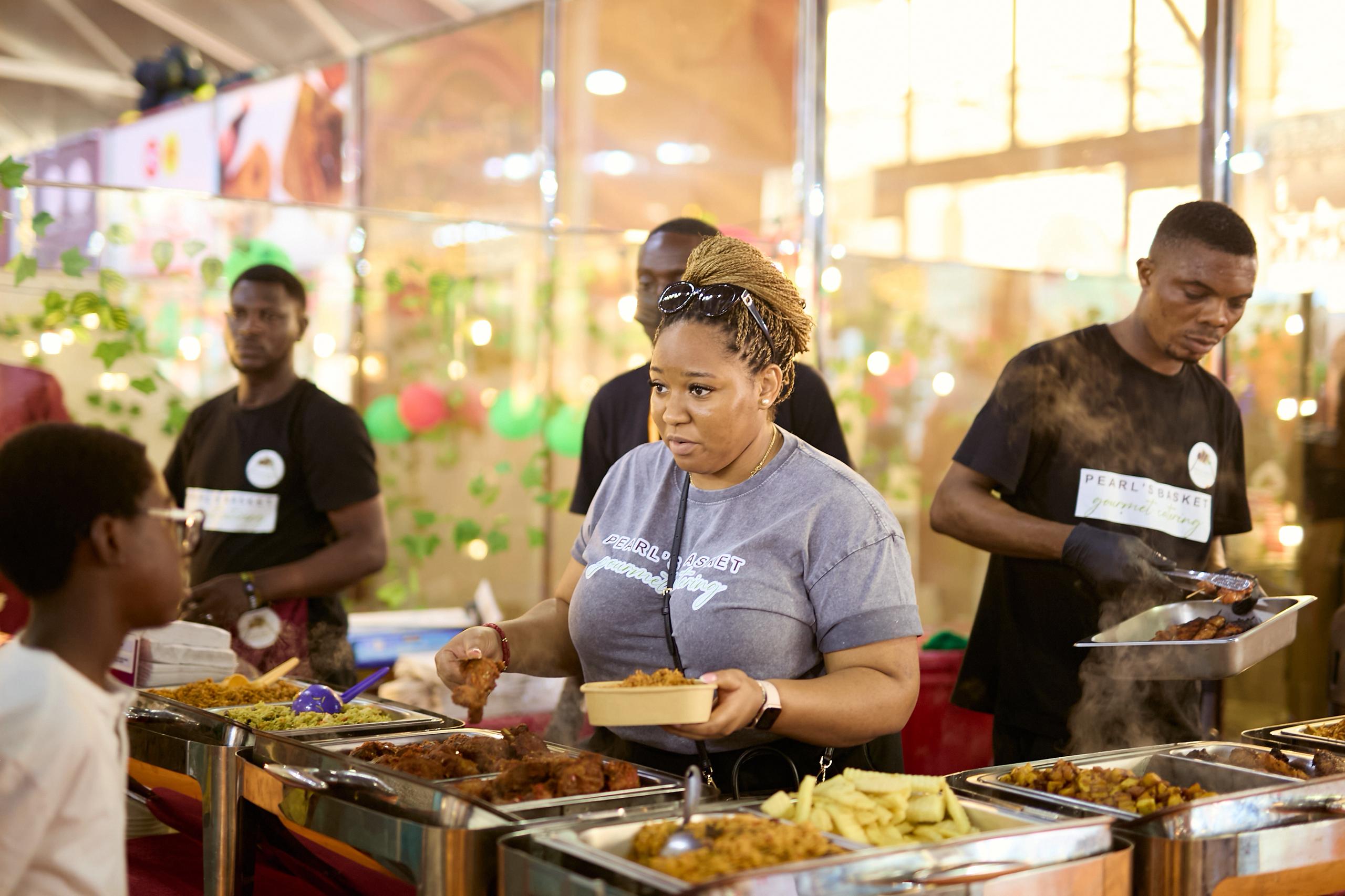
The impact of this model was immediate and dramatic for the Holiday Edition: the Group received over 4,000 applications, ultimately selecting 213 Nigerian-owned food and beverage SMEs to feature. This selection represented nearly double the vendor participation seen in the previous edition, underscoring the festival’s growing role as a major catalyst for inclusive economic development.
Segun Agbaje, the Group Chief Executive Officer of GTCO Plc, affirmed this vision, noting that the event aligns with the Group’s commitment to celebrating African creativity and supporting the sector. “The GTCO Food & Drink Festival is a powerful platform that aligns with our mission to fuel enterprise, promote African creativity, and connect communities through meaningful lifestyle experiences,” he stated, adding that the Holiday Edition specifically supports thousands “of food entrepreneurs who form the backbone of our economy”.

Visibility, Sales, and Human-Interest Success
For the selected vendors, the festival provided more than just foot traffic; it offered unparalleled brand exposure and networking opportunities essential for growth.
For Adadu, the founder of Jyp Sie, the event represented a major step forward, particularly given his business caters to a wide demographic, including children and adults at parties and corporate events. Adadu noted that his motivation to participate stemmed from the festival’s historical success and its appeal to a “very a wide audience”. Reflecting on his brand’s exposure, he celebrated the zero-cost platform: “It has been an amazing platform for us. This is our first time of participating and it has been amazing. It’s a big visibility for us and we thank GTCO”.
Repeat participants, like Jared Beach Resor Kitchent, returned specifically because of the proven return on investment. Mark Slade, Co-founder and Managing Partner, explained that their earlier participation was rewarding because “it’s rewarding to meet new customers and meet existing ones as well,” confirming that knowing the Christmas-themed event “was going to be a popular event” meant they “had to be part of it”.
The sheer volume of business conducted during the two-day event also demonstrated the platform’s commercial viability. A representative from Topsis Burger Lab described their experience as “perfect” and “very busy,” praising the organisers for providing such a brilliant platform.
Beyond sales, the festival served as an essential hub for industry collaboration and advancement. The Founder of The Create Company, Oge highlighted the value of networking, describing the event as a platform “to just like show and also networking other people you know that are already in the same industry”. Crucially, they added that it also serves as an “opportunity to meet with potential investors.”
Community and Affordability
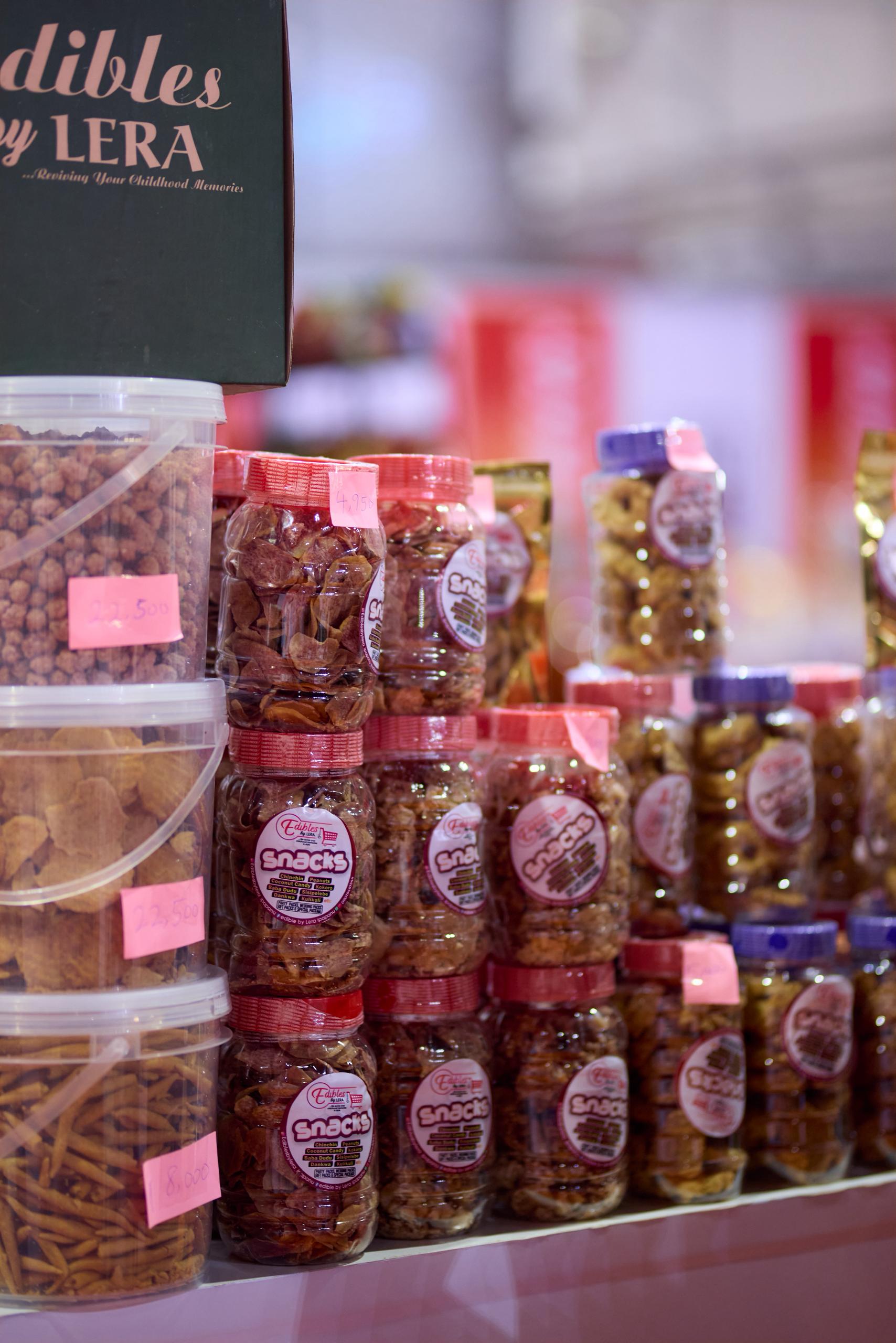
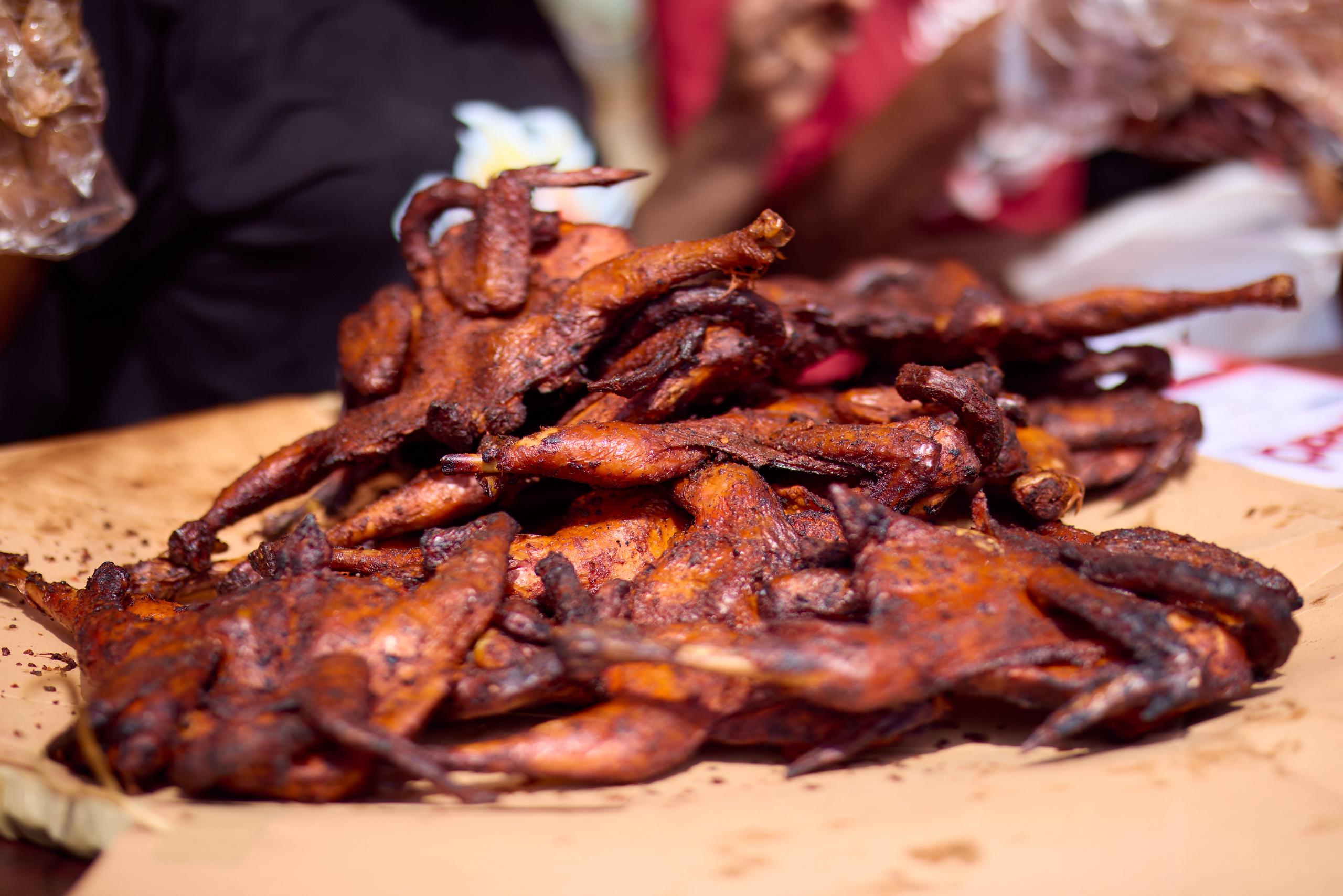
The festival’s impact extends to consumers by fostering community engagement and providing an accessible marketplace. Shoppers enjoyed the festive atmosphere and variety, with the event showcasing Nigerian street foods, a large children’s play zone, and a Christmas Village.
Shopper Olabisi noted that she “had a wonderful experience shopping and they all affordable,” confirming the availability of diverse, affordable culinary options offered by the SMEs. Another shopper, Eze, appreciated the timing, saying, “I had some much with my friends and it was an opportunity for us hang out after along time. Thanks GTCO for bring us together especially during this festive period”.
By leveraging its commitment to community and the zero-cost model, GTCO is effectively acting as a powerful market bridge, connecting millions of consumers with the thousands of food entrepreneurs who sustain Nigeria’s economic heartbeat. The festival functions much like a massive, free economic incubator, providing the necessary infrastructure and audience access that is often too expensive or logistically challenging for small businesses to secure on their own.