Dangote Extends Unbeaten Streak as Africa’s Most Admired Brand for Eighth Consecutive Year
Dangote Industries Limited has reaffirmed its position as Africa’s premier corporate brand, securing the title of Africa’s Most Admired African Brand for the eighth consecutive year. The Group’s Chief Branding and Communications Officer, Anthony Chiejina, was also recognised among Africa’s 100 Most Influential Chief Marketing Officers.
The accolades were announced during the 16th annual Brand Africa 100: Africa’s Best Brands rankings, held in Addis Ababa, Ethiopia. Recognised as the continent’s most comprehensive consumer-led brand study, the survey encompassed 30 countries, representing over 85 per cent of Africa’s population and economic output.
In the latest rankings, Dangote emerged as Africa’s Most Admired Brand in aided recall, surpassing South African giants MTN and Vodacom. In spontaneous recall, it ranked second among African brands, behind MTN and ahead of Trade Kings. The Group also retained its status as Africa’s Most Admired Industrial Brand and was recognised as the No. 1 African Brand Contributing to a Better Africa — a testament to its significant contribution to industrialisation, job creation, economic development, and sustainable growth across the continent.
The rankings highlight Dangote’s expanding influence as one of Africa’s most recognisable corporate brands, built on a diverse portfolio including cement, fertiliser, petrochemicals, energy, sugar, salt, packaging, and logistics. Brand Africa noted that despite a modest rebound in African brand recognition, indigenous brands still account for only 15 per cent of Africa’s top 100 most admired brands, underscoring the continued dominance of foreign brands on the continent.
The founder and chairman of Brand Africa, Thebe Ikalafeng, emphasised the importance of supporting African brands for economic growth:
“Converting goodwill towards African contribution into admiration for African brands is the most urgent commercial opportunity for the continent. It is not enough for Africans to believe in Africa, they must buy Made-in-Africa.”
The survey also recognised Dangote among Africa’s leading brands in sustainability and social impact, placing second in the category of brands acknowledged for doing good for society, people, and the environment.
Despite the prevalence of global brands across Africa, Dangote has secured its spot alongside MTN and Ethiopian Airlines as one of the continent’s top corporate brands. These three stand out on a list still largely dominated by international names such as Nike, Adidas, Samsung, Apple, and Coca-Cola. Notably, African brands comprise only 15 per cent of the Top 100 rankings — compared with 38 per cent for European brands, 28 per cent for North American brands, and 19 per cent for Asian brands.
Further cementing its reputation, Anthony Chiejina was honoured on the inaugural Africa CMO 100 (ACMO100) list, recognising the continent’s most impactful marketing, brand, and reputation leaders. The initiative, launched by Brand Africa in collaboration with African Business magazine, MIPAD, and the African Media Agency, celebrates marketing executives shaping Africa’s business narrative, strengthening brand equity, and driving economic growth across the continent and diaspora.
Chiejina was among only 20 West African executives selected and one of 17 Nigerians recognised for their contributions to brand building, corporate reputation management, and strategic communications.
According to Brand Africa, the selection process was grounded in independent research, industry impact, leadership influence, and contributions to the growth of brands that influence consumer perceptions and economic outcomes across Africa.
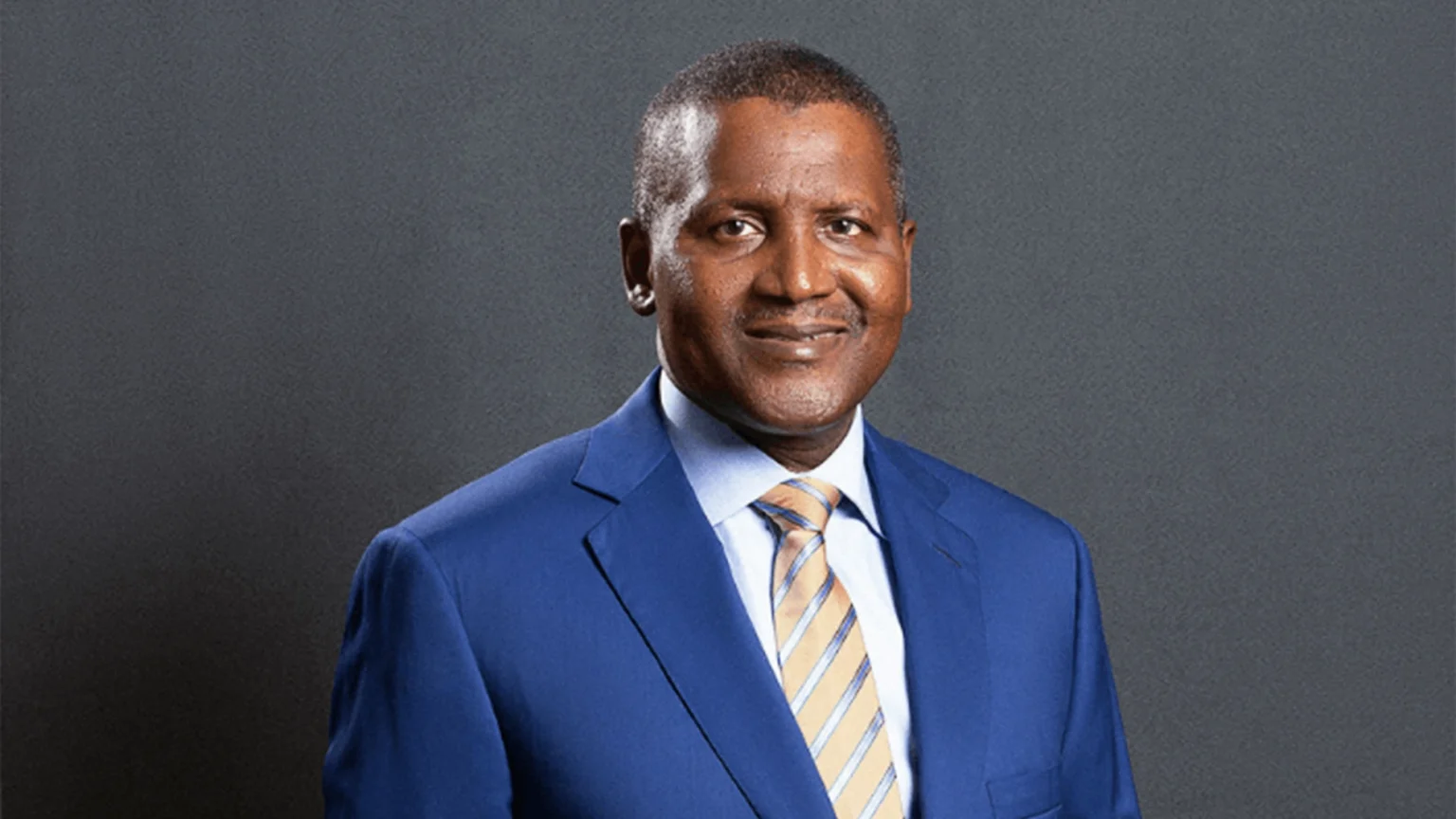
This latest recognition adds to Dangote Industries’ growing list of honours, including its induction into the Brand Africa Hall of Fame last year for consistently ranking among Africa’s most admired brands over more than a decade. Its President and CEO, Aliko Dangote, was also awarded a Lifetime Achievement Award for championing industrialisation and building one of Africa’s most successful indigenous enterprises.