


How YSMA Partnership with the Embassy of Spain and Casa África is Redefining Arts Journalism in Nigeria
By Azeez Disu
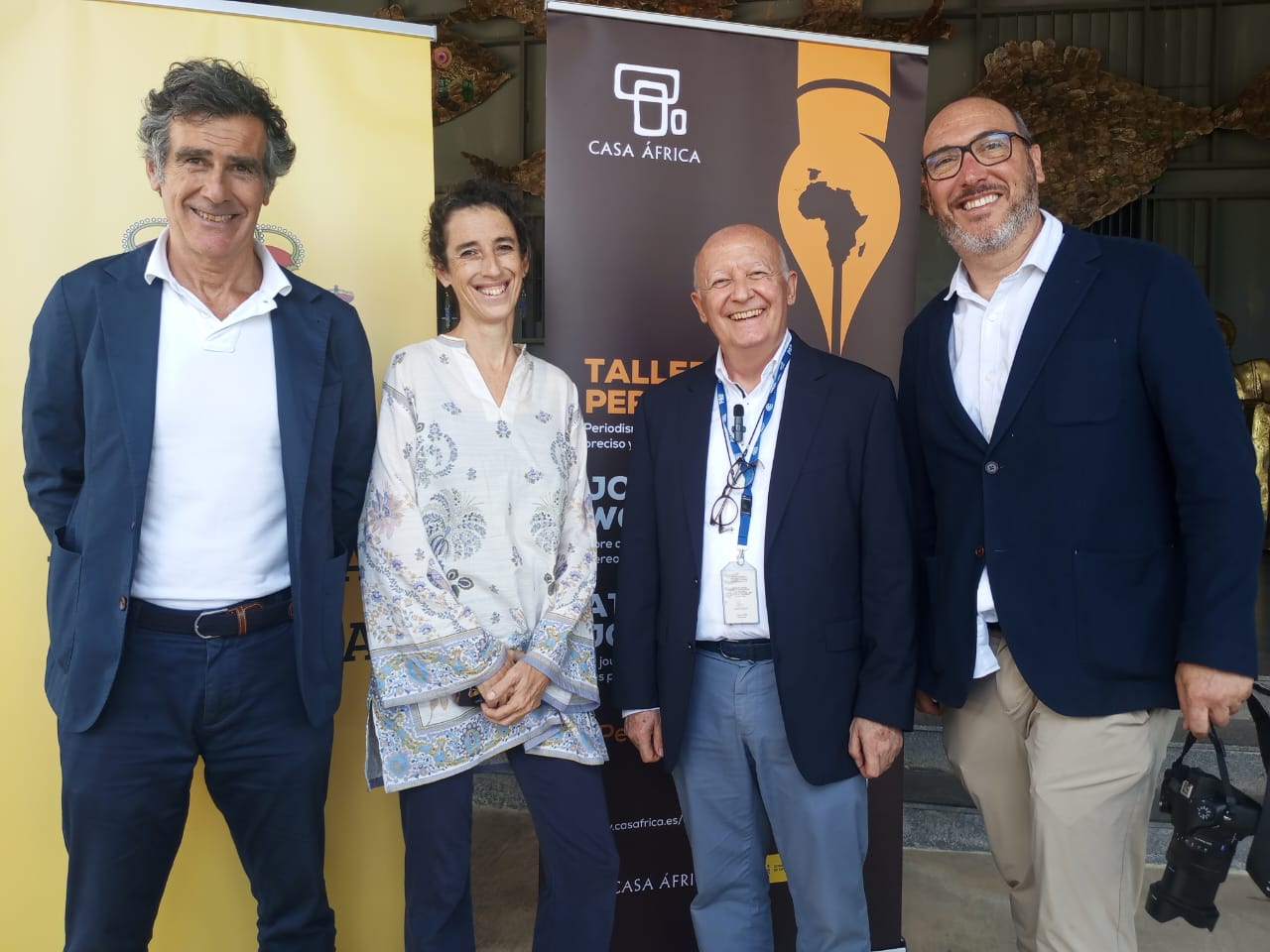
In an era where digital noise often drowns out cultural depth, the recently concluded international workshop, “New Narratives and Singular Communication in Arts Journalism: The Museo del Prado Experience,” emerged as a vital intervention for Nigeria’s creative sector. Held at the Yemisi Shyllon Museum of Art (YSMA) in Lagos, the programme brought together thirty-five journalists and cultural practitioners to explore the intersection of ethics, digital communication, and the evolving role of media in shaping public perception.
The workshop, a partnership among YSMA, the Embassy of Spain in Nigeria, and Casa África, emphasised that arts journalism is not merely a descriptive exercise but a cornerstone of a vibrant cultural economy. Dr Jess Castellote, Director of YSMA, highlighted this symbiotic relationship, stating: “A healthy cultural ecosystem requires informed and engaged journalism. Museums preserve and interpret culture, but journalists help amplify those conversations in the public sphere.” He further stressed the importance of media coverage for the future, noting, “At YSMA, we believe that the future of Nigeria’s art history depends partly on the stories journalists choose to tell today.”
On his part, Carlos Chaguaceda, Director of Communications at the Museo del Prado. Chaguaceda argued that relevance in the modern age demands more than just financial resources; it requires ingenuity.
He added, “One of the most effective ways to strengthen relations between nations is through culture. This workshop reflects our commitment to fostering meaningful exchanges between Spanish and Nigerian institutions and professionals. By bringing together expertise from the Museo del Prado and leading voices from Nigeria’s cultural sector, we are investing in relationships, knowledge, and dialogue that will continue to benefit both countries long after the programme has concluded.”
From an international diplomacy perspective, the workshop facilitated a practical exchange of ideas. Joan Tusell, Coordinator of the #PeriodismoÁfrica programme at Casa África, noted the societal significance of cultural reporting: “The way culture is reported shapes how societies understand themselves and how the world perceives Africa. Cultural journalism is not simply about documenting events; it helps preserve memory, interpret change, and connect communities through shared stories.”
The discussion also turned to the critical importance of historical authenticity. Dr Nwachukwu Egbunike highlighted the risks posed by institutional gaps: “People recognise that this is very relevant for archiving our history — otherwise, someone from outside the country might rewrite our history. We need to ensure that our history is authentic and accurately preserved.”
Addressing the shifting landscape of media consumption, Sunshine Alaibe, Director of Art Report Africa, urged journalists to adopt the agility of modern creators while upholding journalistic integrity.
However, for this ecosystem to truly flourish, the relationship between artists and the press must be repaired. Wale Alimi, a contemporary artist, reflected on the breakdown of traditional networks: “It’s not only journalists who have failed young artists — even government, at the institutional level, falls short. Just look at the Ministry of Art, Culture and Creative Economy, and how it operates.”
Ultimately, the workshop aimed to make arts journalism a more attractive and viable career path for the next generation. Dr Ike Obiaya, Dean of the School of Media and Communication at Pan-Atlantic University, concluded by challenging the industry to evolve and make arts journalism appealing to younger audiences.