Industry Leaders Call for Strategic Investment in Women to Accelerate Nigeria’s Creative Sector
Industry leaders have called for increased investment in women as Nigeria seeks to unlock the full economic potential of its burgeoning creative economy. They warn that ongoing barriers—including limited access to funding, leadership opportunities, infrastructure, and visibility—continue to hinder the growth of one of the country’s most vital sectors.
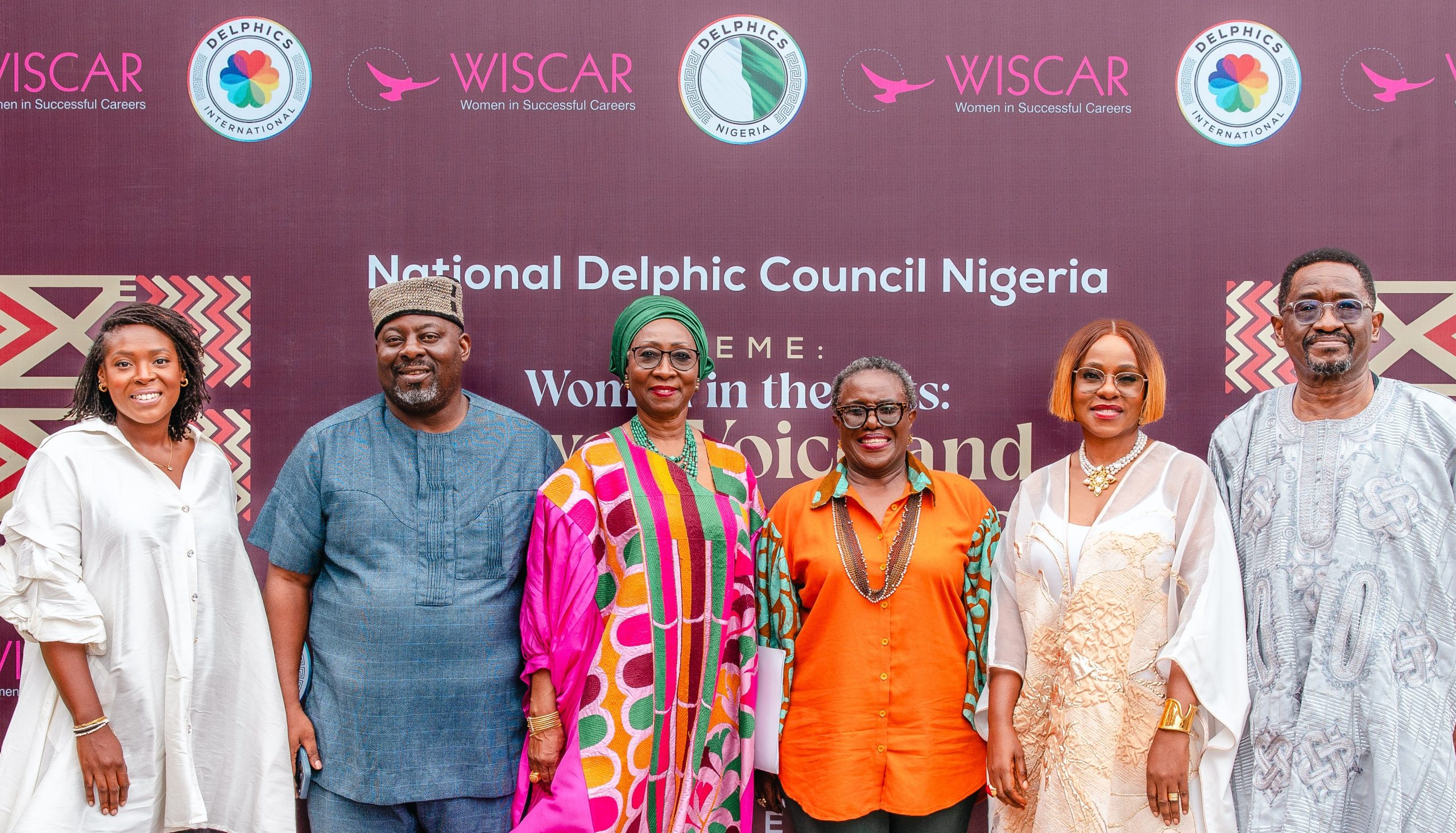
The call was made at the Women in the Arts: Power, Voice and Economic Impact summit, organised by the National Delphic Council Nigeria in partnership with Women in Successful Careers (WISCAR). This gathering assembled prominent voices from film, theatre, visual arts, cultural enterprise, public policy, and development to examine how women are shaping Nigeria’s creative landscape—and what must change to enable greater participation and leadership.
This dialogue comes at a time when Nigeria is intensifying efforts to position its creative and tourism sectors as key drivers of economic diversification. The government’s 2025 roadmap aims for a $100 billion contribution to GDP by 2030 and the creation of over three million jobs within the creative and tourism sectors.
Already, Nigeria’s creative industry holds significant global standing, with Nollywood recognised as the second-largest film industry by output worldwide, producing over 2,500 films annually. The National Bureau of Statistics also recognises motion picture, sound recording, music production, broadcasting, arts, entertainment, and recreation as vital contributors to national productivity.
Speaking at the summit, Mrs Amina Oyagbola, President of the National Delphic Council Nigeria and founder of WISCAR, highlighted the pressing need to address gender disparities. She stated, “Nigeria’s creative economy will not reach its full potential if the women driving culture, storytelling, enterprise and innovation remain under-supported. This is no longer just a gender conversation. It is an economic imperative. When we invest in women in the arts, we are investing in livelihoods, stronger industries, cultural preservation, and Nigeria’s future competitiveness.”
Mrs Oyagbola emphasised that women continue to influence Nigeria’s creative sectors—including film, music, fashion, visual arts, literature, theatre, and cultural enterprise—yet their contributions require deliberate systemic support. This includes access to finance, mentorship, infrastructure, inclusive policies, and platforms that connect them to broader markets. She framed the arts as powerful tools for identity, connection, peacebuilding, and economic impact, calling for tangible actions to expand women’s participation and leadership.
Representing the Honourable Minister of Art, Culture, Tourism and the Creative Economy, Mr Obi Asika, Director-General of the National Council for Arts and Culture, delivered a goodwill message reaffirming the importance of elevating women’s voices within Nigeria’s cultural ecosystem.
The event featured insights from esteemed industry figures, including veteran actress and director Joke Silva; Bolanle Austen-Peters, founder and CEO of Terra Kulture; media entrepreneur Temidayo Makanjuola; Obi Okigbo, founder of the Christopher Okigbo Foundation; and Jude Oni-Okpako, Managing Director of Quintessence Nigeria Limited. Their discussions centred on leadership, visibility, resilience, creative entrepreneurship, and the support systems necessary for fostering a more inclusive sector.
The summit also brought together senior representatives from the global Delphic movement, including Davina Bautista, President of the International Delphic Council; Ramesh Prasana, Secretary General; Roberta Williams, Vice President; Sreya Guha, President of Delphics Rajasthan; and Ugoma Ebilah, Founder of Mbarikola and Vice President of the National Delphic Council Nigeria.
Discussions underscored global concerns about gender inequality in the cultural and creative industries. UNESCO reports that although women constitute nearly half of the workforce in culture and entertainment, they remain underrepresented in leadership roles and often occupy precarious positions.
Participants advocated for stronger collaboration among government bodies, private organisations, cultural institutions, development partners, and creative entrepreneurs to ensure that women are not only visible within Nigeria’s creative economy but are also positioned to lead, own, scale, and benefit from its growth.
The summit concluded with a call to move beyond celebration towards deliberate and strategic investment in women as creators, business leaders, cultural ambassadors, and vital drivers of national development.