FMITI Minister, Stakeholders Celebrate SON’s Success as Nigeria Gains International Approval for Food Export Initiative
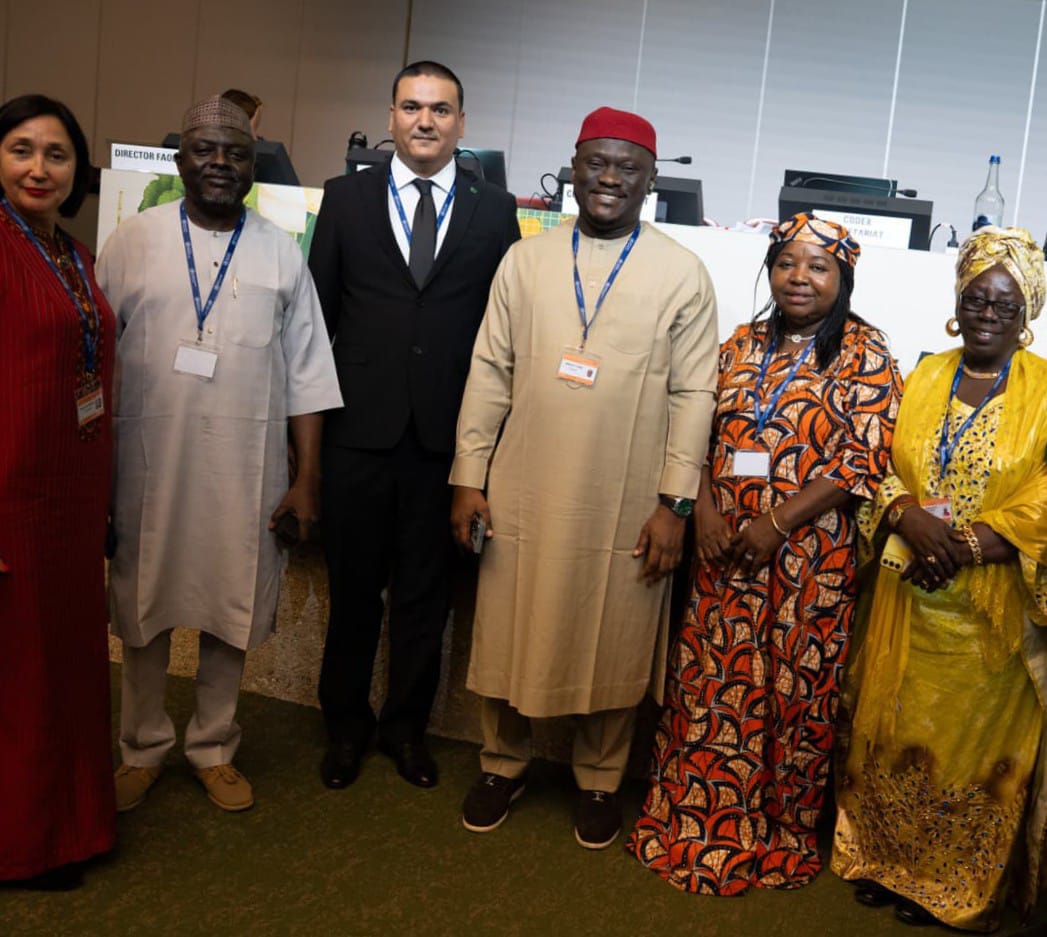
Nigeria has solidified its leadership in international food standards development following a landmark achievement at the 49th Session of the Codex Alimentarius Commission (CAC49). The Standards Organisation of Nigeria (SON), representing the Federal Republic, received global approval for a new standard on root and tuber flours—a significant milestone anticipated to boost food safety, expand agricultural exports, and unlock new opportunities within the burgeoning gluten-free food sector.
This breakthrough was marked by the approval of a New Work Proposal for the development of a Group Standard for Root (Sweet Potato) and Tuber (Yam) Flours. The decision garnered widespread acclaim from Nigeria’s Federal Ministry of Industry, Trade and Investment (FMITI), regional stakeholders, and food safety experts, who viewed it as a testament to Nigeria’s rising influence in international standard-setting.
Honouring the Director-General and Chief Executive of SON, Dr. Ifeanyi Chukwunonso Okeke, the Honourable Minister of Industry, Trade and Investment, Dr. Jumoke Oduwole, described the accomplishment as a landmark achievement that underscores Nigeria’s expanding role in shaping global food standards. She praised SON’s technical expertise and strategic engagement in international processes, emphasising that this success aligns with the Federal Government’s economic diversification goals—enhancing product quality, broadening market access, and bolstering the competitiveness of Nigerian agricultural exports.
The Codex Alimentarius Commission highlighted that the proposed international standard will bolster consumer health protection, improve regulatory frameworks, promote fair trade practices, and reduce post-harvest losses. The Commission also noted the increasing commercial relevance of root and tuber crops—such as yam, cassava, and sweet potato—driven by rising global demand for gluten-free products and their vital role as staple foods for millions worldwide.
Industry stakeholders emphasised that the lack of an existing Codex standard had previously limited trade opportunities for these commodities. Nigeria’s successful proposal is viewed as a timely intervention capable of opening new export markets and increasing international trade in root and tuber products.
Members of Nigeria’s National Codex Committee hailed the approval as a significant national achievement and a reflection of Nigeria’s active participation in global food governance. The FAO/WHO Coordinating Committee for Africa (CCAFRICA) also commended Nigeria, noting that the initiative would promote harmonised food standards across Africa, strengthen regional food safety systems, and expand market opportunities for root and tuber exports.
Prof. Charles Adetunji, President of the Mycotoxicology Society of Nigeria, described the development as a vital contribution to global food safety and science-based standard-setting. Similarly, Dr. Ernest Aubee, Chairman of the Gambia Standards Bureau, congratulated Nigeria and SON, expressing confidence in Nigeria’s continued leadership in international food standards development.
Analysts believe this approval positions Nigeria strategically to influence future global standards for indigenous agricultural products, encouraging investment in processing, value addition, and export capacity. For SON, the achievement marks another milestone in its mission to promote internationally recognised standards that protect consumers, facilitate trade, support food security, and foster sustainable economic growth.
Our correspondent reports that Dr. Ifeanyi Chukwunonso Okeke led Nigeria’s delegation to secure approval for root and tuber flour standards at the international level. It is anticipated that this development will significantly increase Nigeria’s export capacity for these products on the global stage.