Culture Before Licence: How Abbey Bank Built a Commercial Mindset Before the Regulator Said Yes

By Azeez Disu
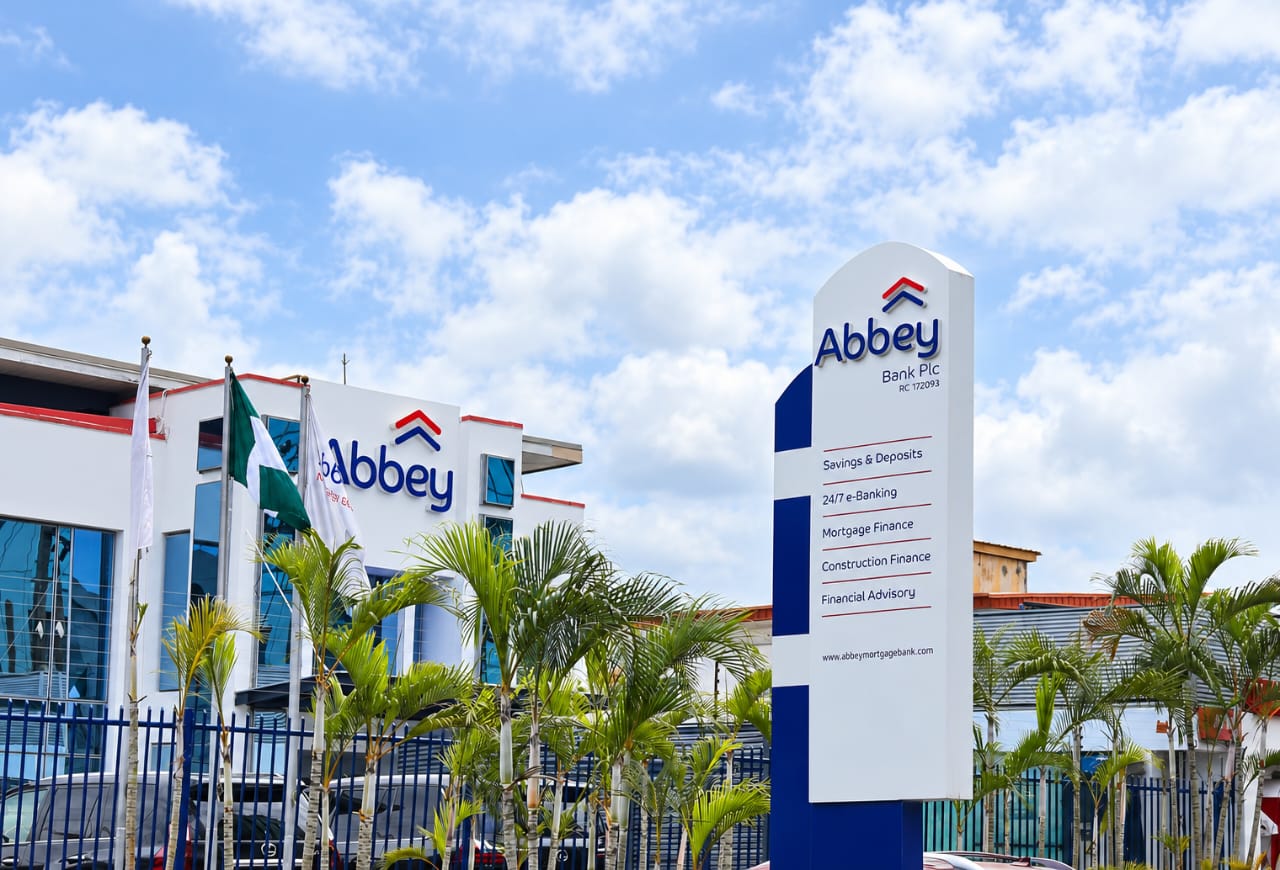
In corporate strategy, a brand transition is rarely just a matter of altering a logo or updating a legal suffix. For Abbey Bank Plc (formerly Abbey Mortgage Bank Plc), its official conversion to a regional commercial bank represents a case study in strategic repositioning, institutional readiness, and market-driven purpose.
Following approval from the Central Bank of Nigeria (CBN) to convert to a regional commercial licence, Abbey is advancing its transition towards the commencement of full commercial banking operations in the fourth quarter of 2026. This milestone builds on more than three decades of legacy in mortgage financing, real estate development, and customer-focused financial services established since the institution was licensed as a Private Mortgage Institution in 1992.
However, what makes Abbey’s evolution particularly instructive for brand strategists is not merely the regulatory clearance, but the deliberate internal transformation that preceded it. Long before the regulator gave its formal nod, Abbey had already cultivated the talent, operational agility, and corporate culture of a commercial institution.
Culture and Talent: The Pre-Licence Metamorphosis
A major risk in corporate re-branding is the gap between external positioning and internal operational capability. Abbey eliminated this vulnerability by embedding a commercial banking mindset into its organizational DNA three to four years before obtaining regulatory approval.
Starting at the graduate trainee level, Abbey overhauled its recruitment criteria to prioritize candidates with strong analytical aptitude and strategic capabilities. Across executive management and operational tiers, the bank systematically recruited seasoned professionals with extensive backgrounds in commercial banking, corporate risk management, trade finance, and management consulting from top-tier institutions.
By assembling a commercial banking workforce years ahead of time, Abbey ensured that transaction execution, corporate governance, and relationship management were already operating at commercial standards. When the licence was formally granted, the corporate culture did not need to adapt—it was already in place.
The Strategic Ambition Behind the Transition
The transition represents far more than a change in licence or name. It signals Abbey’s ambition to expand access to financial services, deepen customer relationships, and create greater opportunities for individuals, businesses, and communities. It also builds on years of experience in mortgage banking and real estate finance, providing a foundation for the bank to broaden its capabilities and pursue new opportunities within Nigeria’s financial services sector.
Commenting on the bank’s transformation, Mr. Mobolaji Adewumi, Managing Director and Chief Executive Officer of Abbey Bank Plc, said:
“The year 2026 represents a defining moment in the history of Abbey. Our approval to transition to commercial banking is a testament to the work invested in building this institution and the confidence placed in us by our regulators, shareholders, customers and employees. We are building on more than three decades of experience, particularly in mortgage banking and real estate finance, while preparing to serve a broader range of financial needs. Our ambition is to make banking more accessible, more responsive and more relevant to the aspirations of individuals, families and businesses.”
“As we prepare for the commencement of commercial banking operations, our focus remains on delivering a seamless transition, strengthening our capabilities and ensuring that our customers continue to experience the trust, service and commitment that define Abbey. Our next chapter is about creating more possibilities for the people and businesses we serve.”
From Mortgage Roots to Full Value Chain Capture
Abbey’s commercial push is rooted in a clear economic rationale: overcoming the limitations of operating strictly as a mortgage lender. Following a difficult period where the bank recorded six to seven consecutive years of financial losses, the founders recognized that partnership was the way forward.
Engagement with a strategic investor commenced in 2019 and closed around 2020, bringing in new capital and management leadership. Within two years, Abbey returned to profitability and established category dominance in the mortgage sub-sector.
However, remaining solely a mortgage institution meant missing key segments of the housing delivery value chain. While mortgage banking supported construction developers and final home buyers, it could not serve five or six intermediate levels, such as suppliers of iron rods, cement, and windows who require foreign exchange, trade finance, and Letters of Credit (LCs).
Converting to a regional commercial bank allows Abbey to capture this entire ecosystem, support major infrastructure projects, and fulfill the founding partners’ original commercial vision.
To support this expansion, Abbey executed a capital strengthening exercise between 2024 and 2025, comfortably surpassing its initial ₦50 billion target to raise ₦64 billion, which has been cleared by the CBN. Having secured Approval in Principle in October 2024 and its official licence in June 2026, Abbey is scheduled to launch regional commercial operations in November 2026 across Lagos, the South-West, South-South, and North-West, with medium-to-long-term ambitions to expand nationally into the North-East and North.
Grounded Financial Inclusion and Operational Agility
From a brand proposition perspective, Abbey balances corporate ambition with grassroots financial inclusion and operational speed.
Simultaneously, Abbey is positioning its commercial brand around speed and reduced bureaucratic friction. By maintaining short turnaround times for transaction execution, offering complimentary business advisory support, and forging strategic partnerships for land financing, Abbey combines commercial scale with the agility of a boutique institution.
Digital Innovation and Financial Resilience
Digital banking remains a central pillar of Abbey’s strategy to make financial services more accessible, convenient, and responsive to customers’ everyday needs. As part of its commercial banking preparations, Abbey is advancing technology integration, strengthening operational processes, and supporting the migration of customers to an enhanced core banking platform. This technical overhaul includes upgrading corporate banking portals, enhancing mobile applications, and embedding Artificial Intelligence (AI) across key touchpoints.
Abbey’s transformation is underpinned by a focus on financial resilience, sustainable growth, and capital strengthening. The bank recorded strong financial momentum in 2025, with pre-tax profit rising to ₦3.12 billion from ₦1.22 billion in 2024. This performance provides an important foundation as the institution prepares for the opportunities and responsibilities associated with commercial banking.
Moving forward, the bank will continue to prioritize sound governance, prudent risk management, regulatory compliance, and responsible financial innovation as it expands its commercial footprint.