From Classroom to Boardroom: How AIC 4.0 is Cultivating Nigeria’s Next-Generation Creative Elite
By Azeez Disu
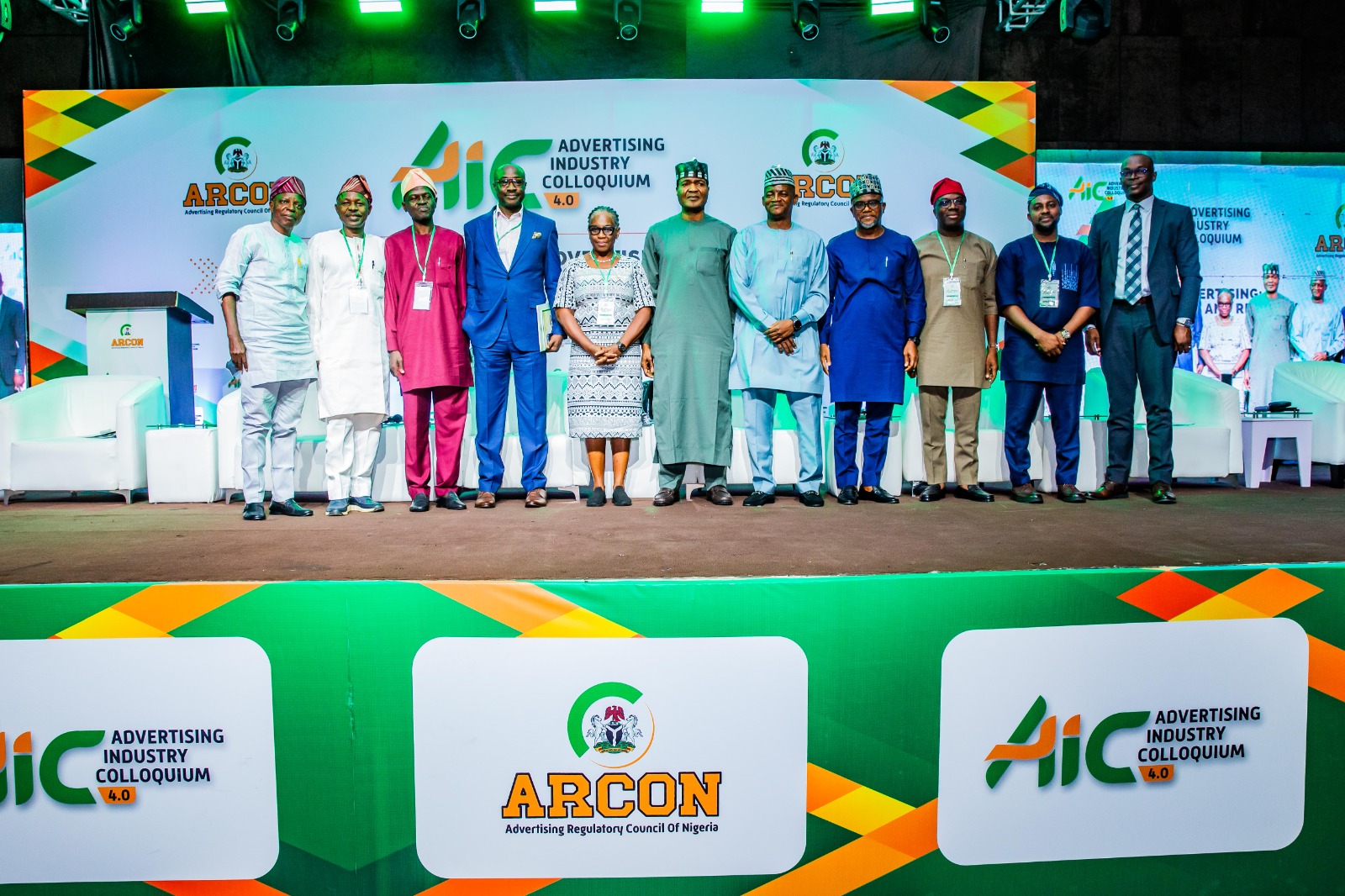
In an era where platform capitalism dominates global markets, Nigeria is subtly rewriting its narrative, one classroom pitch at a time. The 4th edition of the Advertising Industry Colloquium (AIC 4.0) has become more than an annual gathering; it is a deliberate antidote to the silos that traditionally separated scholarly “town” from professional “gown.” Here, Nigeria’s future creative elites are being cultivated in an ecosystem where academic theory seamlessly transitions into boardroom excellence, driven by a new generation of young innovators eager to redefine the advertising landscape.
The Narrative Hook
Against the backdrop of rapid technological change and digital disruption, AIC 4.0 organised by the Advertising Regulatory Council of Nigeria (ARCON) underscores a bold vision: that Nigeria’s next advertising champions will emerge not just from industry but from the classroom. It is a celebration of the transformative power of education, where students are not mere spectators but active participants in shaping the future of marketing communications. The event’s core message is clear, Nigeria’s future leaders are already in the making, and they are proving their mettle in the competitive arena of the creative pitch.
The winning pitches exemplify how classroom concepts can evolve into compelling, boardroom-ready campaigns. The five schools that participated demonstrated a remarkable blend of bravery and ingenuity, transforming theoretical frameworks into practical, innovative solutions that resonated deeply with judges and industry leaders alike.
Deep Academic & Leadership Alignment
The event’s overarching message was reinforced by powerful voices from Nigeria’s leadership and academia. Professor Rotimi Olatunji, Chairman of the Advertising Industry Colloquium and Journal Committee, underscored the importance of creating a “permanent intellectual conduit” that bridges academia and industry. “We are committed to establishing a platform that continually nurtures Nigerian talent, where ideas born in classrooms find their way into the boardrooms of tomorrow,” he affirmed.
ARCON’s Director-General, Dr. Olalekan Fadolapo, emphasized the importance of resilience and global competitiveness. “Our collaboration aims to build an advertising ecosystem that is innovative, responsible, and resilient, one that can stand shoulder-to-shoulder with the best in the world,” he stated.
Honourable Minister of Information and National Orientation, Mohammed Idris, highlighted the enduring value of human storytelling amidst technological advances: “While AI and digital platforms transform our industry, they cannot replace the cultural empathy and strategic intuition that only humans bring to the table.”
Malam Jibrin Baba Ndace, Director-General of Voice of Nigeria and Chairman of the Occasion, stressed mentorship and relationship-building. “Protecting the creative agency of our young minds in the face of rapid AI adoption is crucial. Mentorship and relationships are the bedrock upon which Nigeria’s creative future will be built,” he declared.
Mr. Olu Akanmu, Academic Director of Lagos Business School’s Teach-Leap Initiative and keynote speaker, called for a “paradigm shift” from “policeman approach of regulation to enabler.” Drawing lessons from Nigeria’s Central Bank Payment Systems department, he advocated for a regulatory environment that fosters innovation without stifling it, emphasizing that the “Platform Economy” demands progressive, adaptive policies.
The Litmus Test — The Creative Pitch
AIC 4.0’s highlight was undoubtedly the intense, creativity-driven pitch process. Kwara State University’s winning campaign, which scored 489.5 points, showcased ingenuity in reimagining Nigeria’s digital and cultural identity. Their pitch, centered on the “+234” dialing code, was both a patriotic call to unity and a clever branding device. Another campaign from one of the participating schools, the “37th State,” a concept that projects Nigeria as a unified nation, resonated with judges and industry veterans alike, exemplifying how classroom ideas can translate into compelling market realities.
The other schools—University of Ilorin, River State University, Kaduna State University, and Lagos State University—who clinched the second, third, fourth, and fifth positions respectively, also displayed remarkable talent, with their innovative proposals highlighting Nigeria’s rich cultural tapestry and digital potential. The prizes ranged from N750,000 for second place, N500,000 for third place, and N250,000 for the fourth and fifth positions, encouraging a new wave of creative confidence among Nigeria’s youth.
Sectoral Solidarity & Technical Panels
The event was further bolstered by endorsements from key industry bodies, including AAAN, MIPAN, EXMAN, OAAN, BON, and EMOCAN, who called for an industry that harnesses “automated strategic thinking” and integrates emerging technologies ethically and responsibly. Discussions ranged from the Nigeria Data Protection Act 2023 to the future of AI, emphasizing the importance of a collaborative, well-regulated creative ecosystem that nurtures innovation and protects consumer interests.
The Panelists’ Perspectives
Panelists offered nuanced insights into how Nigeria’s advertising industry can thrive amid digital upheaval. Professor Prof. Adepoju T. T. Humanize Faculty of Communication & Media Studies, Department of Journalism & Public Relations, UNILAG highlighted the importance of academia in fostering innovative thinking, stressing that research and classroom engagement are vital for equipping students for the industry’s future.
Dozie Mbaño, MD/CEO, New Crystal Communications Limited, cautioned against over-reliance on global platforms, urging local industry players to harness indigenous talent and build data ecosystems that reflect Nigerian culture and values.
Mrs. Omowunmi Owodunni, Former Chairperson, Advertising Standards Panel (ASP) emphasized that regulation must evolve alongside technology, advocating for a co-regulatory approach that balances innovation with consumer protection.
Meanwhile, Dotun Babatunde, Head, Digital Marketing, Olam Nigeria Limited pointed out that trust and influence are shifting from traditional media to community-based platforms and influencers, marking a move towards an “intentions economy” that prioritizes authenticity and engagement over mere reach.
Conclusion
The success of AIC 4.0 demonstrates that Nigeria’s future in advertising is already being shaped in classrooms across the country. As the nation navigates the complex terrain of AI, platform capitalism, and digital regulation, the message is clear: Nigeria’s next generation of creative leaders are emerging through a deliberate, collaborative effort that bridges academic theory with boardroom strategy.
As Professor Rotimi Olatunji summed up, “We are building a pipeline of talent that will not only compete globally but will also redefine what it means to be Nigerian—creative, responsible, and resilient.”