Experts Call for Regulation, Education in Nigeria’s Aesthetic Market at Medizone’s Inaugural Advanced Aesthetic Technology Symposium
By Azeez Disu
The landscape of African aesthetic medicine reached a pivotal milestone this week as leading medical professionals, global innovators, and industry stakeholders converged for Nigeria’s first-ever Advanced Aesthetic Technology Symposium. Hosted by the UK-based healthcare provider Medizone Limited at The Wheatbaker Hotel in Ikoyi, the event, dubbed ‘The Aesthetics Show Lagos 2026,’ served as a high-level platform for showcasing cutting-edge technologies and addressing the urgent need for industry standardisation.
The symposium comes at a time of unprecedented growth for the sector. While the global medical aesthetics market is projected to surpass $23 billion by 2026, Nigeria’s domestic market is already valued at over $33 million and is expected to maintain a robust annual growth rate of approximately 10%.
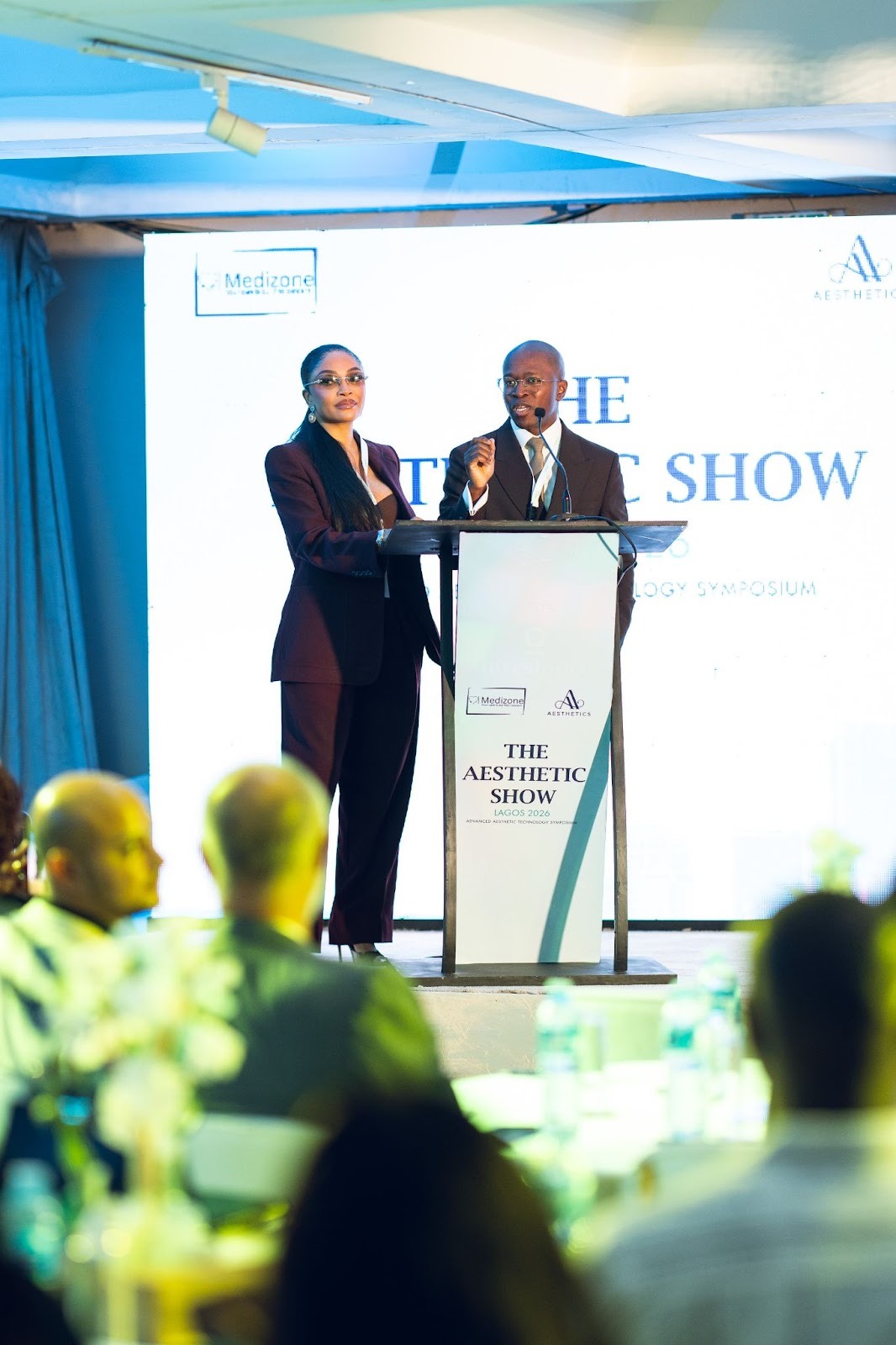
Dr Hamza Arisekola Alao, Chief Executive of Medizone, emphasised that the industry is no longer a peripheral luxury but a burgeoning economic force. “This industry is here to stay,” Dr Alao noted, highlighting the necessity of domesticating these services to prevent “medical tourism” abroad. However, he warned that Nigeria faces significant regulatory hurdles compared to more established markets.
He explained that “Care must always come before commerce. That is not simply a philosophy, it is a practice standard. The expansion of aesthetic medicine across Africa presents real opportunity. But growth without governance is a risk, not an achievement.” He went on to call on practitioners across the continent to commit to clinical excellence grounded in evidence, patient safety that is non-negotiable, and sustainable growth as the defining pillars of aesthetic medicine’s future in Africa.
He also added that Medizone is partnering with financial institutions like Fidelity and Sterling Bank to ensure local clinics can afford the revolutionary equipment needed to provide world-class care.
Freda Edewor Francis, Director of Medizone and Founder and CEO of Oasis Medspa, brought a perspective shaped by years of building in the Nigerian aesthetic medicine space. “I have watched this industry grow from something people whispered about to something the entire continent is paying attention to,” she said. “The demand is real. The practitioners are ready. And for too long, the infrastructure has not caught up. That changes today.”
A central theme of the symposium was the fight against “quackery” and the promotion of formal medical training. Dr Felix Avajah, President of the Association of Practitioners of Spa and Medical Aesthetics of Nigeria (APSMAN), delivered a stern message on the importance of professional accreditation.
“My vision in forming the association was for standardisation, professionalism, and education,” Dr Avajah explained. He urged practitioners to adopt critical thinking and stay within their professional boundaries. “Say no to quackery. People feel there’s so much money in aesthetics, but part of critical thinking would guide them into doing the right thing at the right time with the right people. Education is everything; we went as far as setting up collaboration with government institutions where they can actually go to school”.
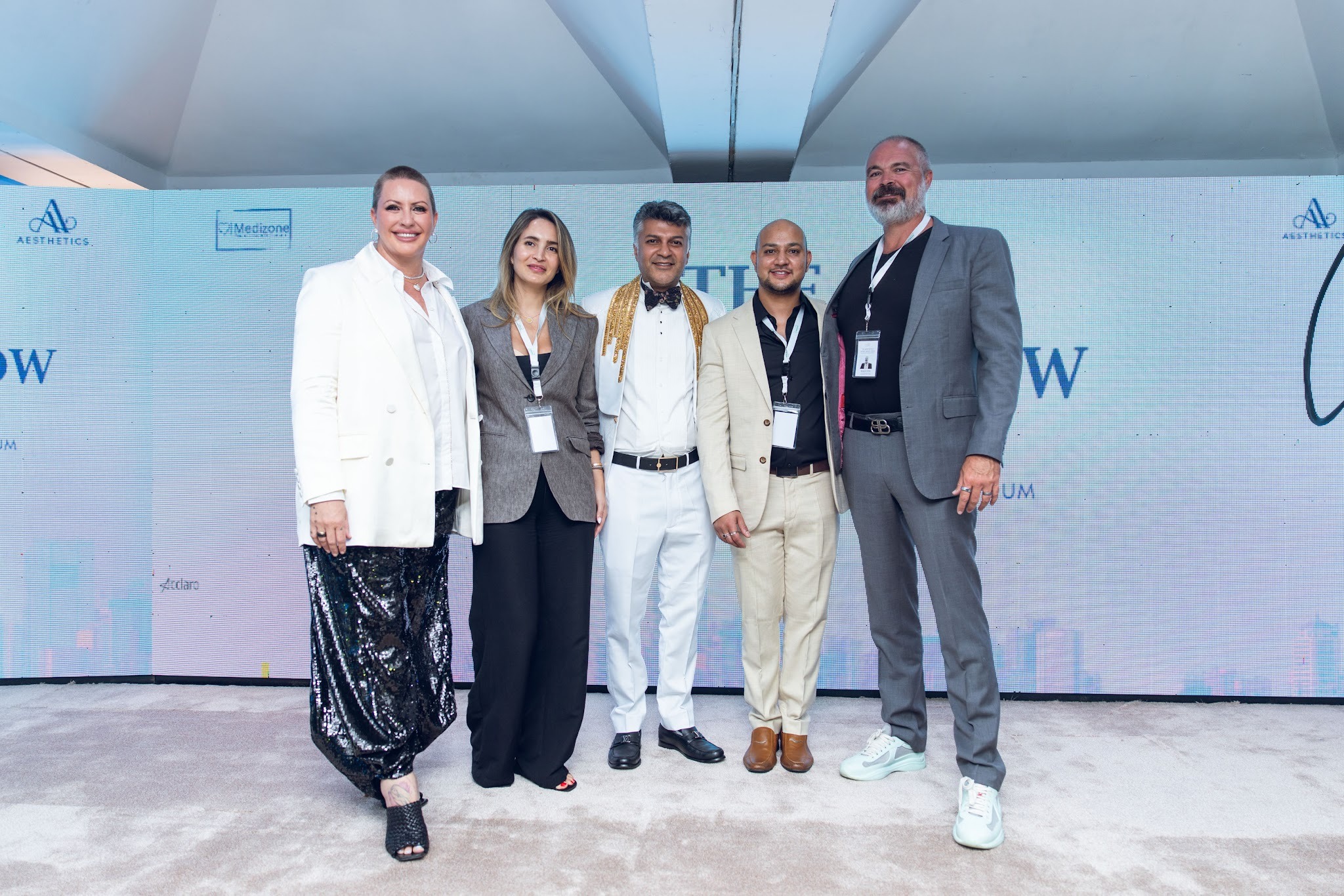
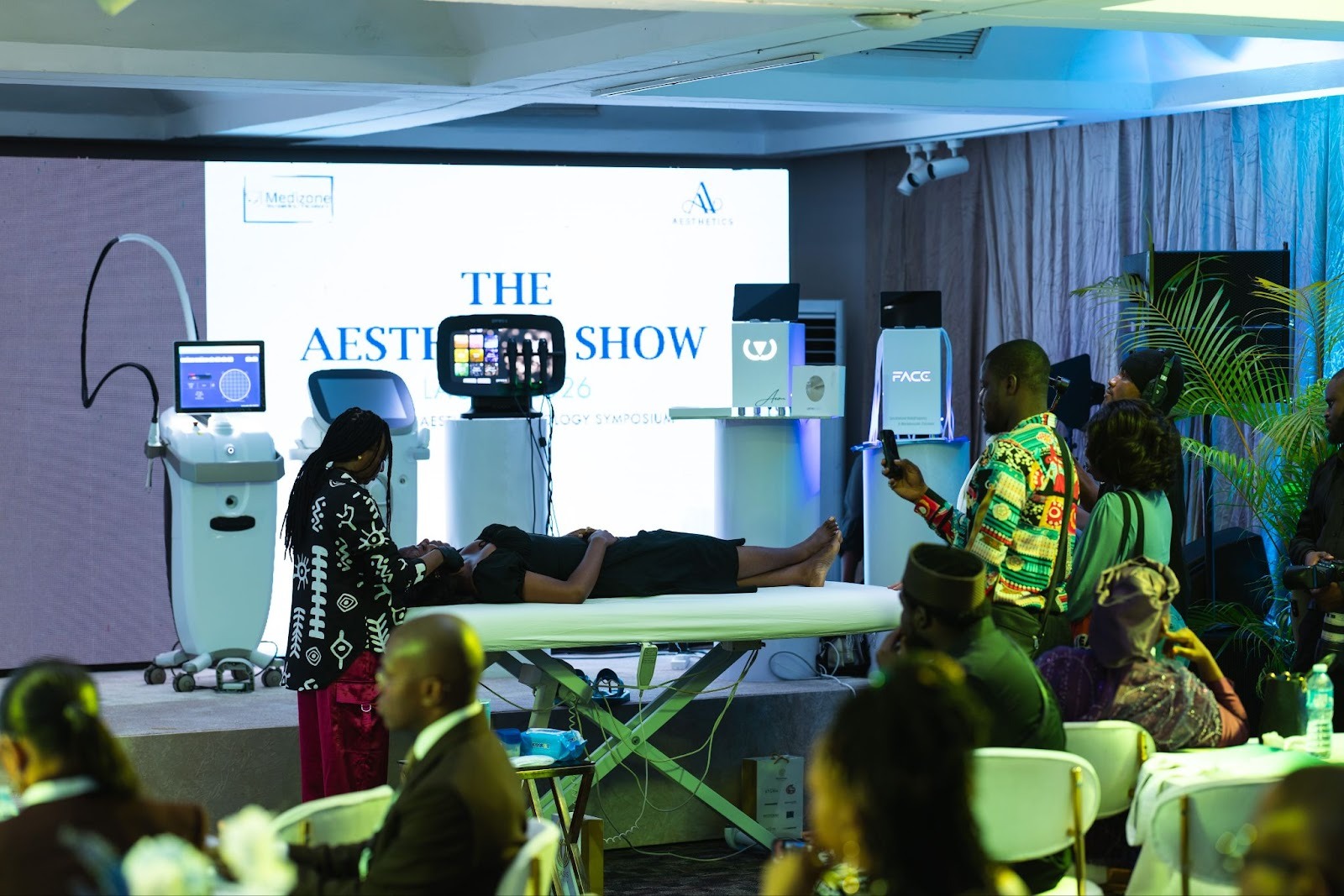
The scientific sessions showcased advanced devices from global brands like Lumenis, Sofwave, and UltraClear, focusing on treatments ranging from reverse ageing to collagen stimulation. Dr Benjamin White, a global expert in laser technology and the EVP International Business Development, Acclaro Medical; addressed historical concerns regarding the safety of aesthetic procedures on African skin.
“The growth here in Africa is much higher than it is in the US or the UK, there is this thirst for people to feel great about themselves,” Dr White observed. He clarified that while older technologies like Intense Pulse Light (IPL) could be risky for ethnic skin due to melanin absorption, new “mid-infrared” lasers are revolutionary. “These new kind of lasers are applicable to the African market. It’s not about everybody looking like Brad Pitt; it’s about us having healthy skin that performs the tasks it’s supposed to perform. It’s our largest organ”.
Broadening the scope of the discussion, Dr Pranav Pancholi, a Harvard-trained cosmetic dermatologist with two decades of experience in East Africa, highlighted that aesthetics is increasingly becoming a medical necessity, particularly for reconstructive purposes.“
There are special conferences that teach us how to use these lasers specifically for scarring after burns,” Dr Pancholi shared, noting that such treatments can transform lives.
Dr Pancholi also noted the shifting demographics of the patient base, with more men seeking treatments like “Bro-tox” and liposuction. However, he maintained that the quality of the practitioner remains the ultimate safeguard for patients. “Any medical procedure can have side effects. The difference between an average doctor and an excellent doctor is that when the complication happens, the excellent doctor knows exactly how to treat it”.
The event also featured a raffle draw that saw lucky winners walk away with skin treatments valued at up to $3,600.
As the evening transitioned into a cocktail reception, the room drew well beyond the medical community. Genevieve Nnaji, Daddy Freeze, and Eku Edewor were among those in attendance, a signal of just how far the conversation around aesthetic medicine has moved into the mainstream.
The Aesthetics Show Lagos 2026 arrives at a moment of significant momentum for the African aesthetic medicine market. The Middle East and Africa aesthetics devices market is projected to reach $1.49 billion by 2033, growing at nearly 11% per year, and Nigeria, with its expanding middle class, rising consumer sophistication, and increasingly capable medical workforce, sits squarely at the centre of that growth. The Aesthetics Show is positioning Nigeria not merely as a participant in the global aesthetics industry but as a hub for its advancement across the continent.
As the symposium concluded, Medizone’s leadership reaffirmed their commitment to the Nigerian market, promising that this event was “the first of many” intended to integrate advanced healthcare solutions into the local ecosystem. By bridging the gap between international innovation and local practice, the event has set a new benchmark for the future of skin health and medical aesthetics across the continent.