FMCG Tactics and Strategic Evolution of the Museo del Prado’s Global Identity
By Azeez Disu
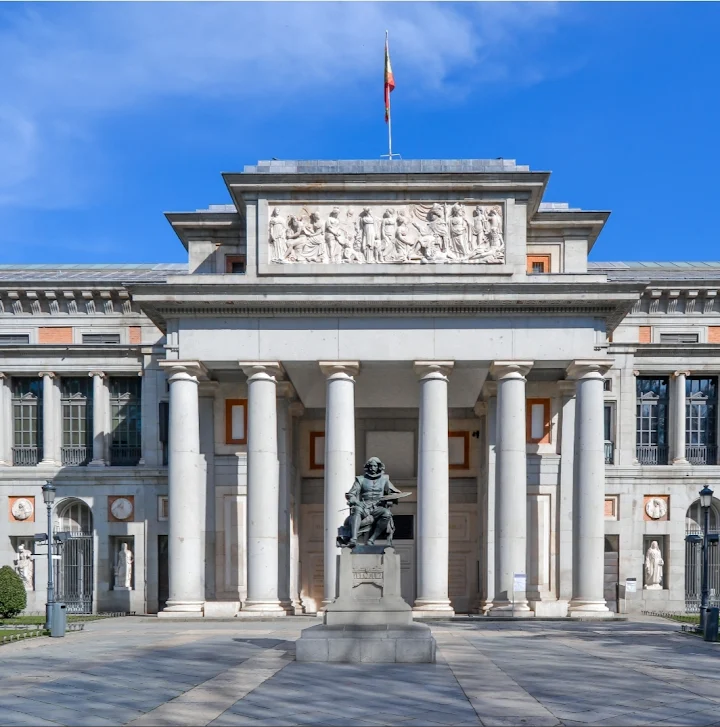
The Museo Nacional del Prado in Madrid, Spain, has transcended its origins as a 19th-century royal repository to become a global benchmark for institutional branding and digital transformation. With more than 3.3 million physical visitors annually and a digital reach exceeding five million, the Prado has successfully pivoted from a traditional gallery to a modern media powerhouse.
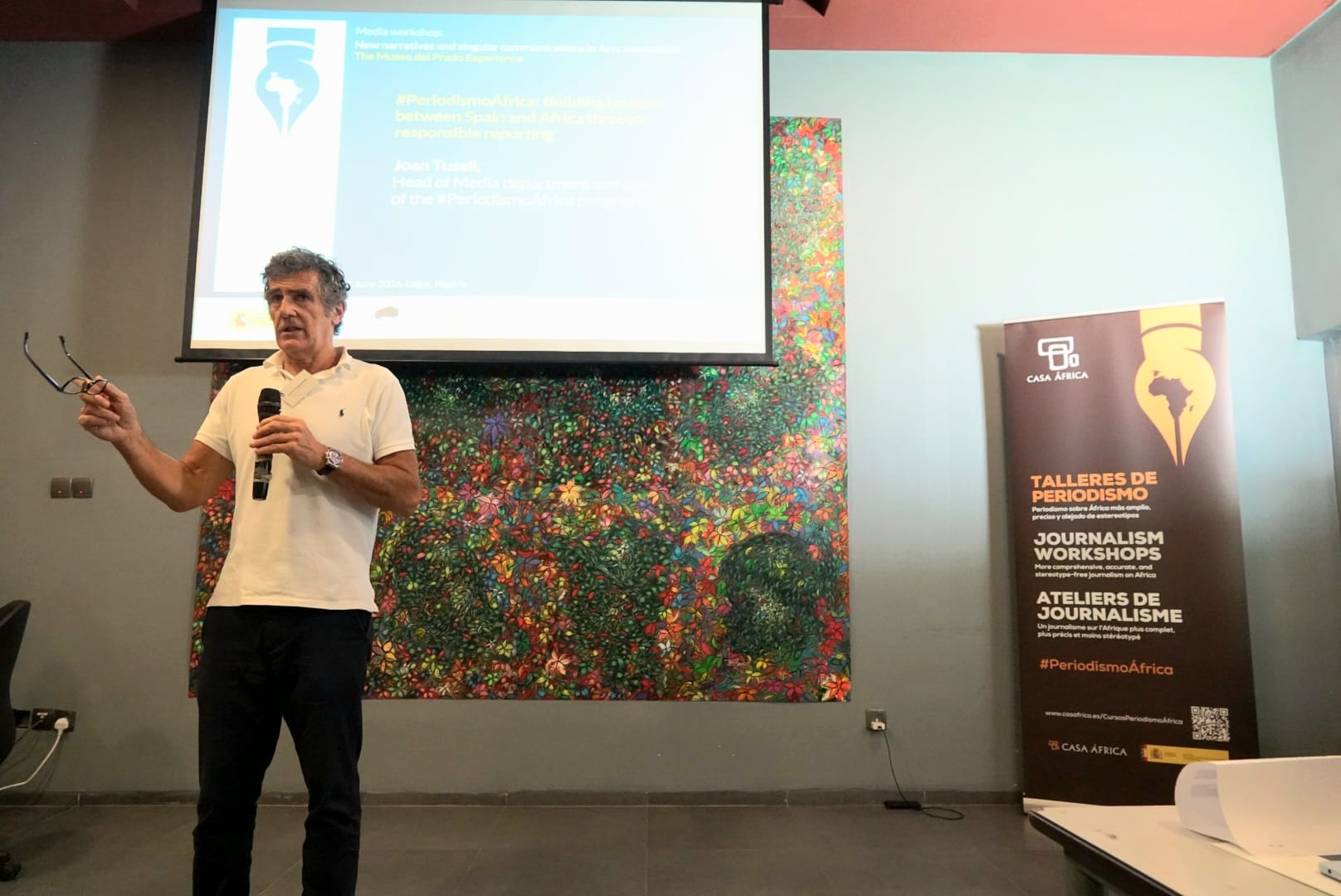
This remarkable evolution was the focus of a recent keynote presentation titled “The Prado and the Will to Communicate,” delivered by Carlos Chaguaceda, the Museo Nacional del Prado’s Director of Communication and Corporate Affairs. Speaking at an international workshop for journalists in Nigeria, organised in partnership with the Yemisi Shyllon Museum of Art (YSMA), the Embassy of Spain, and Casa África, Chaguaceda detailed how the museum has integrated Fast-Moving Consumer Goods (FMCG) tactics to secure its position in a saturated global media landscape.
The FMCG Strategy: Differentiation and the ‘Black Sweater’ Philosophy
Drawing on his extensive background at Coca-Cola, Chaguaceda argues that cultural institutions must adopt the same rigour as global brands to remain relevant. The cornerstone of his philosophy is differentiation. “What doesn’t work in communication is the middle ground,” Chaguaceda asserted. To illustrate this, he cited the history of the Maglia Nera (black sweater) in Italian cycling, where the rider in the last position often garnered more interest and sponsorship than those finishing in the anonymous middle.
For a brand to cut through the noise, it must strive to be the “first, the best, or the unique”. Chaguaceda believes that “the best way to be relevant is to catch the attention by being the first one or even the last one”. This mindset has moved the Prado away from traditional, expensive advertising towards high-impact, organic news generation.
From Royal Collection to ‘Museum of Painters’
The Prado’s strategic evolution is rooted in a storied history. Established in 1819 by Ferdinand VII, the museum was originally intended to showcase the Spanish royal collection and prove to Europe that Spanish art was of equal merit to any other national school. Today, it houses one of the world’s finest collections of European art, including 7,600 paintings and 8,200 drawings.
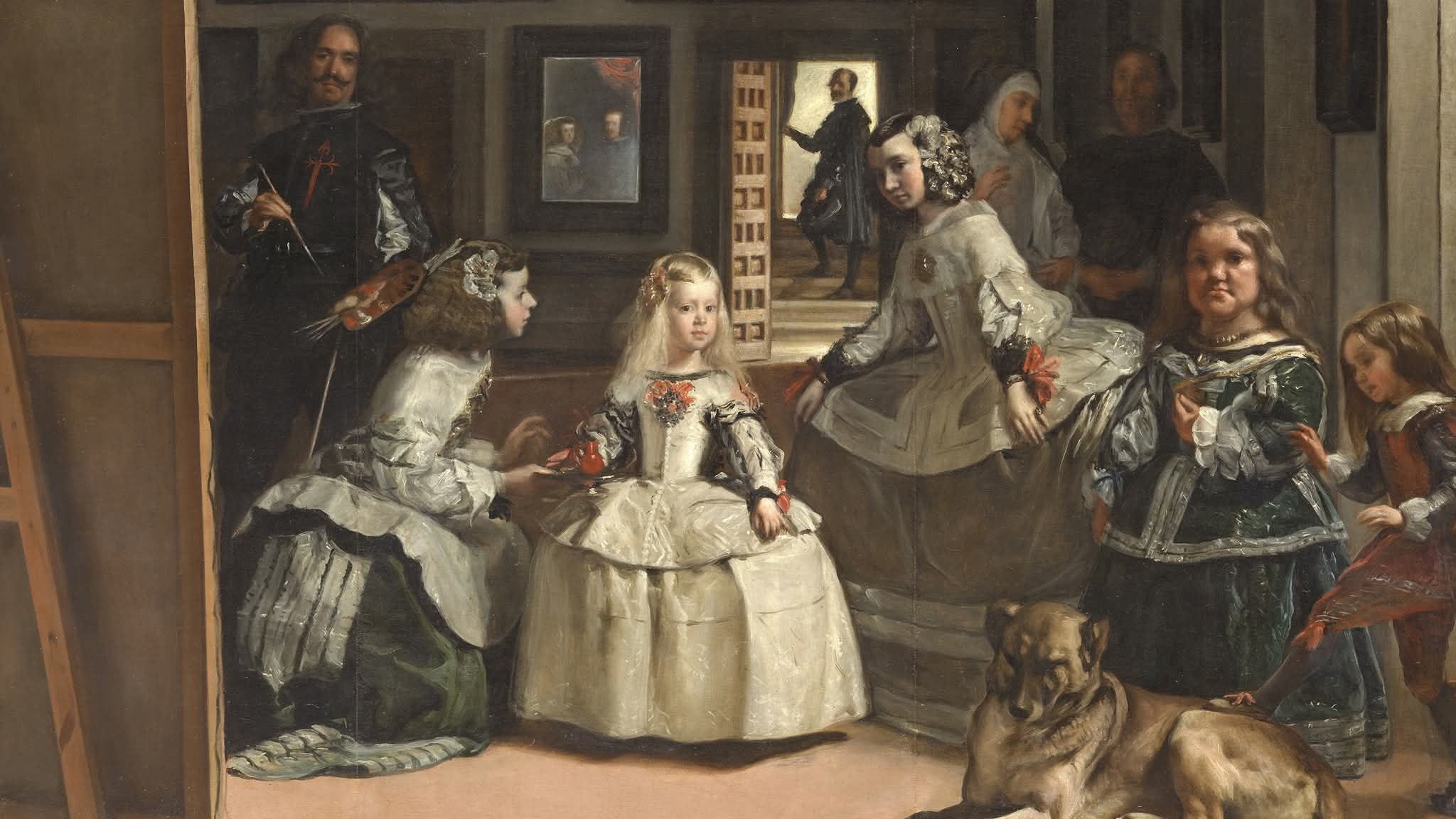
Unlike many other institutions, the Prado is often described as a “museum of painters,” defined by its vast, unparalleled holdings of key masters such as Francisco Goya, Diego Velázquez, Hieronymus Bosch, and Peter Paul Rubens. This unique collection provides the “product” that underpins the museum’s brand equity.
Narrative Control: The ‘Mbappé’ Approach to Art
One of the most robust examples of the Prado’s FMCG-style narrative control was its handling of a recently discovered, lost Caravaggio. Rather than issuing a standard press release, the museum treated the acquisition with the fervour of a high-profile football transfer. “I try to explain that this is like Real Madrid signing Mbappé; we have to do the same,” Chaguaceda explained.
By strategically leaking details and ensuring a “good picture” was available for the global media, the Prado ensured the story dominated headlines in the UK, USA, and beyond. This approach moves communication from simply being “known” to creating brand empathy.
Digital Innovation and Social Relevance
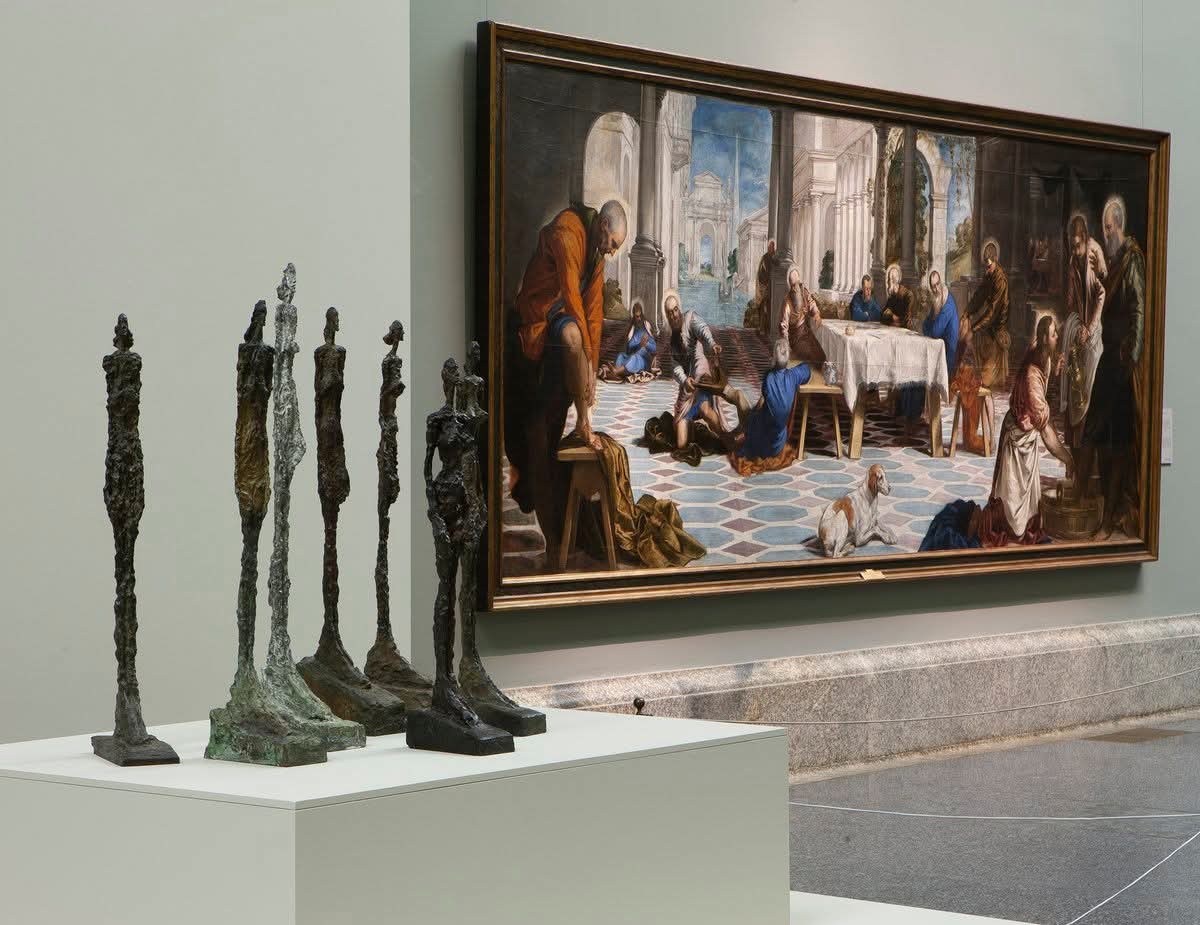
The Prado’s global identity has been further bolstered by its agility in the digital sphere. It was the first major museum to leverage TikTok effectively, with its most-watched videos, such as those featuring the Director discussing masterpieces like Tintoretto’s The Washing of the Feet, surpassing 2.5 million views. The museum has also integrated Artificial Intelligence, allowing visitors to engage with masterpieces like Las Meninas through digital selfies, bridging the gap between 17th-century art and 21st-century habits.
Furthermore, the museum has strategically evolved its brand narrative to remain socially relevant. It has opened its doors to themes of feminism, decolonialism, and LGBTQ+ collectives, ensuring that an institution founded by royalty remains a vital part of the contemporary social fabric.
https://www.facebook.com/share/v/1DqQr71Rjv/
A Global Inspiration
For emerging institutions, the Prado serves as a powerful blueprint. Dr. Jess Castellote, Director of the Yemisi Shyllon Museum of Art (YSMA) in Lagos, commended the Prado’s innovative approach during the workshop, stating: “What they are doing, we would like to do. Though we are a different type of museum, the impact that they have on people is important and that’s why they are relevant”.
By marrying the “will to communicate” with the prestige of its historical collection, the Museo del Prado has proven that even an 18th-century brand can lead the global conversation in the digital age.