From Boardrooms to Public Spaces: GTCO’s 16th Autism Conference Set to Transform Lives Through Visible Inclusion
By Azeez Disu
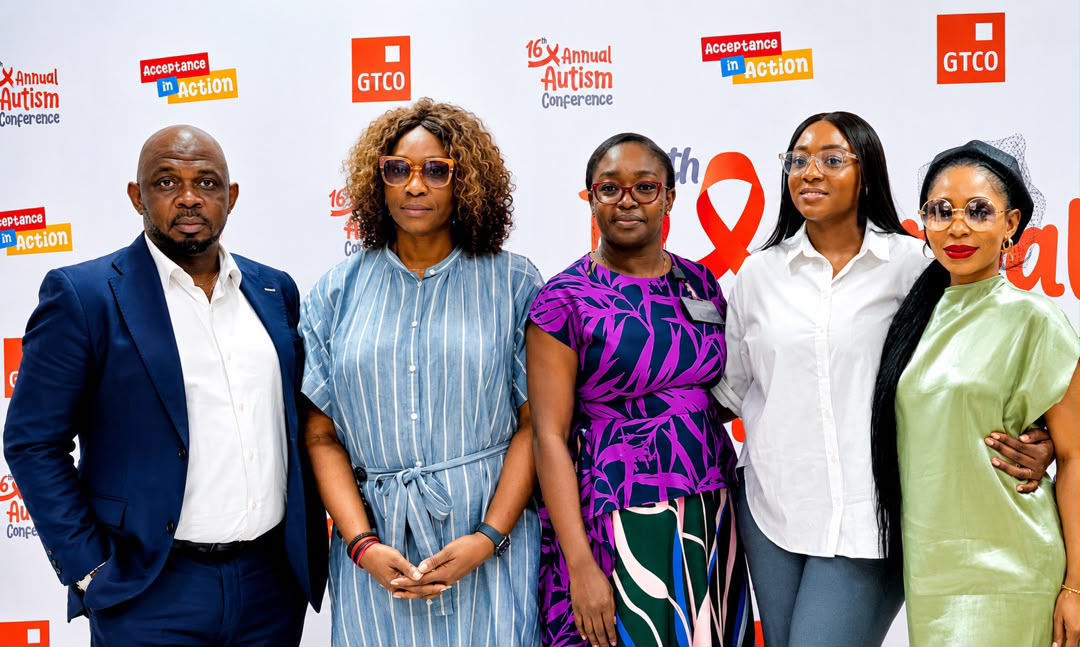
Guaranty Trust Holding Company Plc (GTCO) has officially unveiled plans for its 16th Annual Autism Conference, a cornerstone of its long-standing commitment to neurodiversity advocacy. Themed “Acceptance in Action: From Family to Classroom to Workplace to Public Spaces,” the 2026 programme aims to move the conversation beyond mere awareness toward tangible, inclusive environments for individuals on the autism spectrum.
The conference is scheduled for Monday, 27th July and Tuesday, 28th July, at the Muson Centre, Lagos, featuring expert-led workshops and international specialists. This will be followed by free one-on-one family consultations from 29th July to 1st August at the Adeyemi Bero Auditorium in Ikeja, before moving to Accra, Ghana, in early August.
Mr Segun Agbaje, Group Chief Executive Officer of GTCO Plc, emphasised the evolution of the initiative over the past sixteen years. He stated: “Sixteen years ago, we set out to help families navigate a journey that too often felt isolating. Today, this programme stands as proof of what sustained commitment can achieve. This year’s theme, ‘Acceptance in Action,’ challenges all of us to move past good intentions and start making inclusion visible, in the way we design our schools, structure our workplaces, and welcome one another in public spaces.”.
He further added: “No single institution can build an inclusive society alone. It takes families willing to advocate, educators willing to adapt, employers willing to open doors, and policymakers willing to act. Our role is to keep bringing the right expertise and resources to the table, so that every individual on the autism spectrum has a genuine chance to participate fully and confidently in everyday life.”.
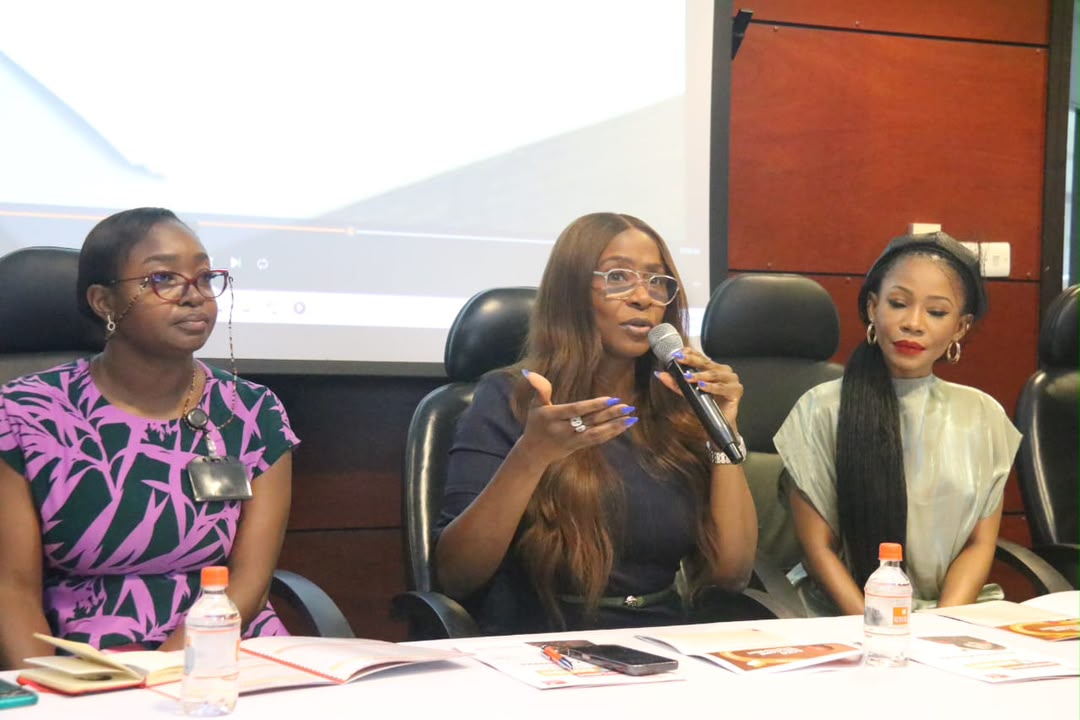
Following the Group CEO’s speech during the press briefing held at the company’s Head Office in Lagos, Oyinade Adegite, Chief Communications Officer at GTCO Plc, reflected on the human element of acceptance.She noted that acceptance is often found in small, compassionate gestures. “It might just mean going to Treatment Facility Centre and hearing a child, you know, steaming or, you know, making noise and you’re not flustered,” she explained. “It’s an invitation again to our humanity. Let’s not forget our humanity, we can just give just a bit of our own composure. We can give a bit of our time. We can give just something small”. Adegite also highlighted that GTCO leads by example, operating a “no discriminatory policy in hiring” that welcomes individuals with various disabilities.
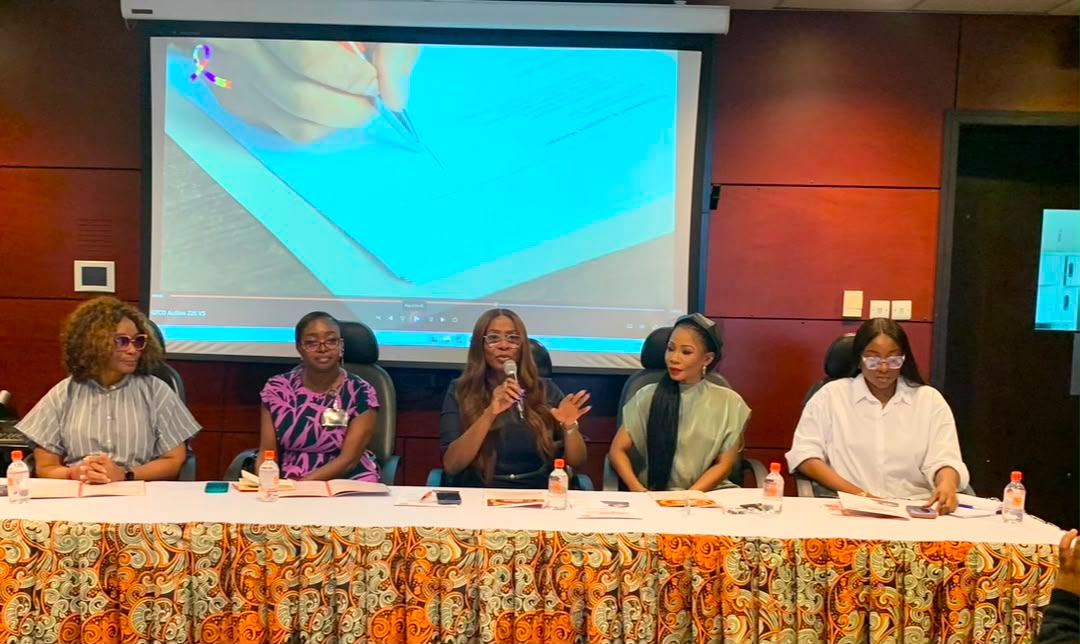
Oluwatosin Onabanjo, Corporate Communications Officer at GTCO Plc, provided the logistical roadmap for the upcoming events. She reminded the public that “inclusion doesn’t always have to happen in one space” and outlined that the Lagos conference would run from 10:00 a.m. to 4:00 p.m..
“Registration is online. You can register at gtcoplc.com/autism,” she stated, adding that the subsequent four-day consultation clinic provides “practical support and care” directly to families.
Providing a clinical and community perspective, Osezusi Bolodeoku, an International Behaviour Analyst, described autism as a neurodevelopmental disorder that requires a community-wide response.
“Inclusion is action, it’s in the doing,” Bolodeoku asserted. She shared her experience of taking advocacy to the “grassroots,” partnering with local governments to run awareness campaigns in marketplaces and churches. “We went into the market, spoke with the market women, spoke with the public schools, spoke with the churches and the mosque… and even went from street to street,” she recounted, noting that mothers in these communities are now beginning to see their children through a lens of understanding rather than condemnation.
Solape Azazi, also an International Behaviour Analyst, spoke passionately about acceptance within the family unit and the public’s role in reducing stigma. She urged parents to “see that child first before the diagnosis” and to love them unconditionally. Azazi shared a powerful personal anecdote regarding a confrontation at an airport where a staff member shouted at her son. Instead of reacting with anger, she used the moment to initiate change. “I went to management and said I would like to do a sensitization training for your staff,” she explained. The training revealed a deep lack of knowledge, with one staff member admitting he had previously dragged a child away simply because he didn’t know any better. “There needs to be more awareness, so that when you are interacting, that empathy will flow naturally,” she concluded.
Finally, Dr. Eziafakaku Nwokolo, a Board Certified Behaviour Analyst, addressed the practical barriers faced in public and professional spaces. She pointed out that because autism has no “physical marker,” behaviours are often misread as “bonkers” or “stubborn”. “We have to get to the point where such terminologies are no longer the norm,” Dr. Nwokolo urged. She suggested practical workplace accommodations, such as asking an employee, “What help do you need? Can you explain to me what I need to do so that you can get your job done?”. In public spaces, she proposed tools like Picture Exchange Communication and “task analysis” (breaking down steps with visuals), similar to instructions found at an ATM, to help individuals navigate environments like parks or security posts.