


WHX Lagos 2026: Stakeholders Advocate for ‘Five Strategic Shifts’ to Bolster African Health Security
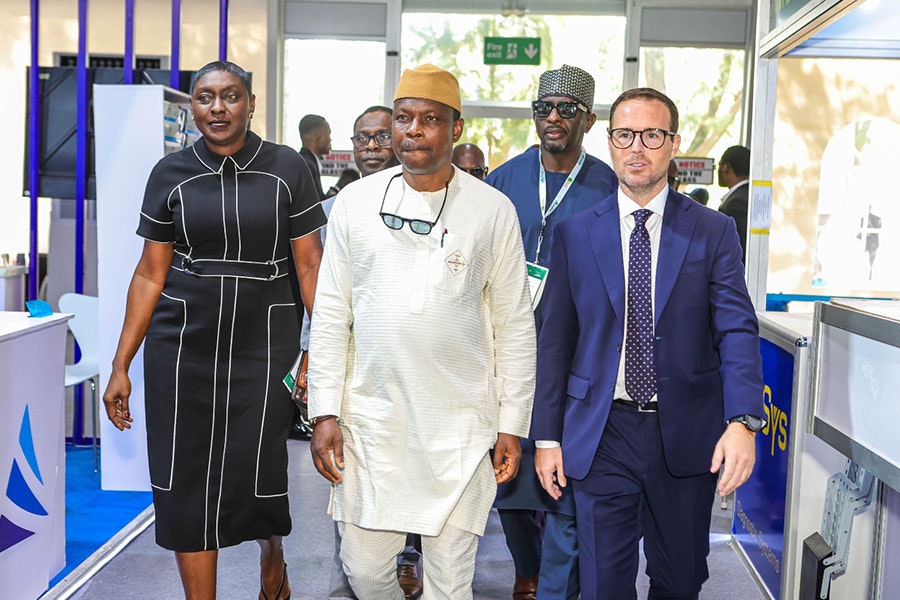
By Azeez Disu
Stakeholders at the second day of the 2026 World Health Expo (WHX) Lagos have underscored the urgent need for strategic reforms to strengthen Africa’s health systems. Gathering at the Landmark Centre, leading healthcare experts, policymakers, and industry players emphasised that transforming high-level innovation into tangible bedside outcomes requires a concerted effort focused on five key shifts. As the continent grapples with rapid urbanisation and evolving disease profiles, the consensus among delegates is that sustainable progress hinges on systemic collaboration, technological integration, and redefined healthcare priorities.
Delivering the keynote address, Dr Jide Idris, Director-General and Chief Executive Officer of the Nigeria Centre for Disease Control and Prevention (NCDC), issued a clarion call for a fundamental shift in how the continent approaches healthcare delivery. He argued that hospitals must be viewed as vital components of a nation’s health security infrastructure.
“Reform takes root when the core parts of the health system are deliberately connected,” Dr Idris stated, highlighting that governance, financing, workforce, and data must move in unison to ensure investments translate into improved care. He outlined five strategic shifts essential for transformation: moving from infrastructure visibility to functional readiness; transitioning from fragmented technology procurement to integrated architecture; embracing ‘buyer leadership’; instilling partnership discipline; and evolving from financing activity to bankable, investable transformation.
Dr Idris was particularly emphatic about the role of the buyer, noting, “Africa cannot afford a marketplace in which hospitals simply receive whatever products are offered to them. We need a stronger marketplace, where hospitals act as intelligent buyers”. He also reminded delegates that technology is merely a tool: “The workforce must remain central… technology only delivers its value through people”.
Echoing the need for systemic synergy, Dr Hameed Adediran observed a persistent “disconnect between the conversations we had at that meta level and the realities on the ground”. Addressing the common refrain that funding is the primary hurdle, he remarked, “I put it to you this morning that absence of ideas, absence of enabling conditions… are some of the things that are thrown out as the barriers to having an elaborated healthcare system”.
The dialogue on digital integration was furthered by Mr Kenneth Okolie, Chief Executive Officer of Synlab Nigeria, who proposed an “Interswitch for healthcare” to facilitate seamless data exchange. He championed a model where patients maintain ultimate ownership of their data, granting time-bound access to clinicians via universal identifiers like phone numbers or National Identity Numbers (NIN). On the subject of high-end diagnostics, Mr Okolie explained how Synlab leverages its vast African network to offer precision medicine and cross-border second opinions, while using innovative rental and placement models to deploy advanced equipment without prohibitive upfront costs.
Contributing to the discussion on market readiness, Dr Chibuzo Opara, Chief Executive Officer of DrugStoc Nigeria, highlighted the resurgence of global interest in the Nigerian market. He noted that international companies are returning with world-class value propositions that Nigerians deserve. “This is not just a business; this is also life science,” Dr Opara remarked, emphasising that quality diagnostics and equipment are the bedrock of a prevented healthcare crisis.
As WHX Lagos 2026 continues, the consensus amongst leaders remains clear: the measure of success will not be found in the scale of investment, but in the implementation of safer, faster, and more resilient care for the Nigerian patient.